

The Indian Air Force (IAF), despite being in its formative years during World War II, made a significant impact. Starting with initial deployments and rigorous training, the IAF quickly adapted to the demands of modern aerial warfare. Their missions in Burma, particularly the tactical reconnaissance and daring raids led by pilots such as Haider Raza, were crucial in gathering intelligence and weakening Japanese positions. These early operations evolved into major contributions on the battlefield, showcasing remarkable achievements. The legacy of these efforts continues to be an integral part of the IAF’s history.
Formation and Early Years
Formation and Early Years
The Indian Air Force (IAF) was formally established on 8 October 1932 as an auxiliary unit of the Royal Air Force (RAF). Its first squadron, No.1 Squadron, was commissioned in April 1933, marking a foundational moment for Indian military aviation. This squadron included pioneering pilots such as Harish Chandra Sircar, Subroto Mukerjee, and Bhupendra Singh, who were among the first five Indian pilots to be commissioned.
Subroto Mukerjee, who would later become the first Chief of the Air Staff of the IAF, played a crucial role in its early development. During its initial years, the IAF adopted RAF uniforms, badges, brevets, and insignia, reflecting its colonial origins and the governance provided by the Indian Air Force Act.
The establishment of No.1 Squadron was a significant milestone, setting a standard of excellence in aviation that would benefit the nation in subsequent years. The contributions of pioneers like Harish Chandra Sircar and Bhupendra Singh were instrumental in shaping the future of the IAF.
Initial Deployment and Training
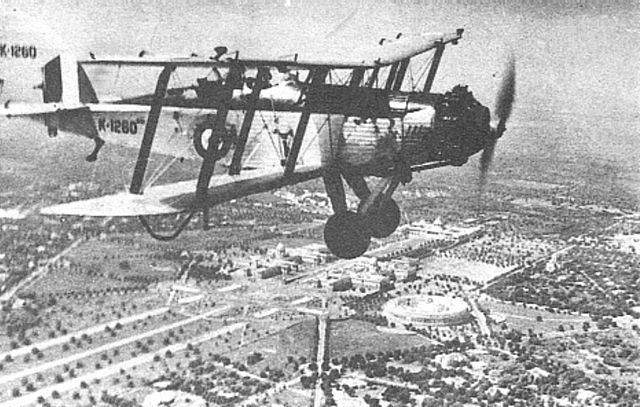
In 1939, as World War II commenced, the Indian Air Force deployed its first squadron. Early pilot training in the UK equipped Indian aviators for combat, despite their initial reliance on basic aircraft. Overcoming significant operational challenges, these pioneers laid the groundwork for future successes, including critical missions in Burma and operations against Japanese forces.
Early Pilot Training
In the initial stages of WWII, the Indian Air Force (IAF) rapidly expanded its training programs to prepare pilots for the impending conflict. The origins of pilot training can be traced back to WWI, when Indian volunteers served as fighter pilots with the Royal Flying Corps, gaining invaluable experience. The approval for creating the IAF came in 1928, paving the way for formalized training.
By 1930, the first officer cadets began their rigorous training at RAF Cranwell in the UK, a key institution in shaping the skills and discipline of early IAF personnel. In 1933, No. 1 Squadron IAF was established in Karachi, a significant milestone that streamlined training programs and operational readiness.
The Air Force Museum in India showcases these formative years, highlighting the dedication and efforts put into early pilot training. As WWII approached, the IAF focused on expanding its training infrastructure to meet the growing demand for skilled fighter pilots. By 1939, the IAF entered the war with one full squadron, thanks to the solid foundation laid by these initial training efforts.
Initial Aircraft Inventory
The Indian Air Force began its journey with an initial collection of four Westland Wapiti IIA biplanes, which played a crucial role in its early operational and training missions. These aircraft were instrumental in the Indian Air Force’s operations during World War II, particularly against the Bhittani tribesmen in North Waziristan. This small but significant fleet laid the foundation for the Indian Air Force’s eventual expansion and modernization.
In June 1938, the formation of C Flight reinforced No. 1 Squadron, marking a significant step in enhancing the Indian Air Force’s capabilities. Training with the Westland Wapiti biplanes provided the groundwork for more sophisticated operations and set a precedent for future aircraft acquisitions. The Indian Air Force’s maiden flight in April 1933 was pivotal in preparing for its wartime involvement, leading to the initial aircraft inventory that would prove crucial in early engagements.
These early biplanes symbolized the beginning of a transformative period for the Indian Air Force. They were more than just aircraft; they were the cornerstone of a burgeoning air force ready to meet the demands of World War II.
Operational Challenges Faced
At the onset of World War II, the Indian Air Force (IAF) encountered several significant operational challenges due to limited aircraft and infrastructure. The IAF primarily relied on outdated biplanes like the Westland Wapiti IIA, which were inadequate for modern combat. Training facilities were sparse and often under-equipped, making it difficult to adequately prepare pilots. A shortage of experienced personnel exacerbated these issues, as there were not enough skilled trainers to impart essential knowledge and skills.
Adapting to the tropical climate and varied terrain of the Indian subcontinent also posed significant challenges, requiring different operational strategies and techniques. The urgency for rapid modernization was evident, but logistical challenges and resource constraints hindered progress.
Despite these initial setbacks, the Indian Air Force overcame many of these operational challenges through relentless efforts in training and infrastructure development. The IAF’s modernization efforts eventually paid off, enabling it to play a pivotal role in the later stages of the war.
Key Points:
- Limited Aircraft: Reliance on outdated biplanes like the Westland Wapiti IIA
- Infrastructure: Sparse and ill-equipped training facilities
- Experienced Personnel: Shortage of skilled trainers
- Operational Adaptation: Challenges of the tropical climate and varied terrain
- Modernization: Overcoming logistical challenges and resource constraints
Combat Operations in Burma
The Indian Air Force’s combat operations in Burma during World War II underscored their strategic significance. They executed tactical reconnaissance missions, engaged in crucial air battles, and provided essential ground support to the British 14th Army. Pilots such as Squadron Leader Karun Krishna Majumdar and Flying Officer Haider Raza played pivotal roles through daring raids and guerrilla tactics against Japanese forces.
Tactical Reconnaissance Missions
During WWII’s Burma campaign, the Indian Air Force’s tactical reconnaissance missions delivered crucial real-time intelligence on Japanese movements, significantly impacting the success of Allied operations. No. 1 Squadron IAF, flying Lysanders, played a pivotal role by gathering key information over enemy territory, enabling the 14th Army to plan strategic counterattacks effectively.
The IAF’s reconnaissance missions ensured that the 14th Army was well-informed about enemy activities, providing actionable intelligence crucial for Allied success in Burma. This intelligence allowed ground forces to stay ahead of Japanese plans, facilitating timely and well-coordinated responses that disrupted enemy strategies.
The Indian Air Force’s dedication and skill in these reconnaissance efforts were vital to the overall success of the Burma campaign. Key highlights include:
- Real-time intelligence: Delivered immediate updates on Japanese troop movements.
- Support to ground forces: Assisted the 14th Army in planning effective counterattacks.
- Strategic importance: Played a critical role in broader Allied operations in Burma.
- Effective use of Lysanders: Employed these aircraft for their superior reconnaissance capabilities.
- Enhanced battlefield awareness: Ensured Allied forces maintained a strategic advantage.
Key Air Battles
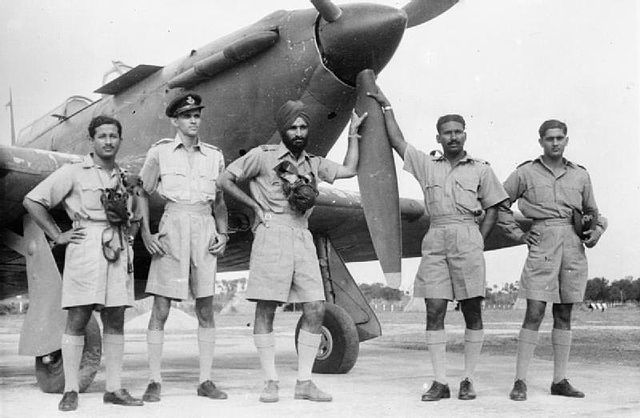
The Indian Air Force (IAF) demonstrated exceptional valor and strategic acumen in key air battles during the Burma campaign, playing a crucial role in the Allied war effort. Indian pilots like Squadron Leader Shailendra and Squadron Leader Sukthankar exhibited remarkable skill in providing close air support to ground forces, a critical factor in countering Japanese advances. The IAF’s contributions extended beyond support roles; they also executed offensive missions and tactical reconnaissance, significantly weakening enemy positions.
Heroes such as Haider Raza led daring raids that are commemorated in RAF Museums, underscoring the IAF’s bravery. Their actions paralleled the legendary pilots of the Battle of Britain, showcasing extraordinary courage and precision. The IAF collaborated closely with the Special Operations Executive, conducting covert missions that disrupted Japanese supply lines and communications.
Recognition of their efforts came through the RAF’s Distinguished Flying awards, honoring pilots like Errol Suvo Chunder Sen for their exceptional service. Coastal defense flights further highlighted the IAF’s versatility in protecting vital supply routes. The Indian Air Force’s contributions in Burma underscored their strategic significance and enduring legacy in World War II.
Ground Support Operations
Building on their success in key air battles, the Indian Air Force’s ground support operations in Burma provided crucial air cover and tactical assistance to the Allied 14th Army. IAF squadrons conducted tactical reconnaissance missions to scout enemy positions and movements, delivering vital intelligence to ground commanders. They also executed ground attack missions, precisely targeting Japanese forces to disrupt their operations.
Close air support was a pivotal aspect of the IAF’s role, offering immediate assistance to Allied troops during intense combat scenarios. Indian pilots adapted to the demanding conditions of Burma, demonstrating resilience and flexibility. These operations not only hampered Japanese advances but also significantly boosted the morale of the 14th Army.
Key contributions of the IAF’s ground support operations included:
- Tactical reconnaissance: Provided essential intelligence on Japanese troop movements.
- Ground attack missions: Targeted and disrupted enemy supply lines and fortifications.
- Close air support: Offered immediate aid to ground forces during critical battles.
- Adaptability: Demonstrated the IAF’s flexibility under challenging conditions.
- 14th Army support: Enhanced the effectiveness and morale of Allied troops.
The IAF’s relentless efforts in Burma underscored their vital role in the Allied victory in Southeast Asia.
Key Battles and Missions
During World War II, the Indian Air Force (IAF) was strategically involved in crucial battles and missions that significantly impacted the conflict in the Asian theater. One of their most notable contributions was in Burma, where they played a pivotal role in halting the Japanese army’s advance. The IAF conducted a variety of missions, including strike operations, close air support, reconnaissance, bomber escort, and pathfinding during critical moments of the war.
In Burma, IAF squadrons provided essential aerial support to the 14th Army. Their tactical reconnaissance and raids were crucial for gathering intelligence and disrupting enemy supply lines. Indian Hurricane and Spitfire squadrons were instrumental in these efforts, delivering precise strikes and engaging in dogfights that turned the tide of many confrontations.
The IAF’s missions were not solely offensive. They also played a significant role in supporting ground forces by airlifting supplies and performing reconnaissance missions to ensure the 14th Army had the necessary resources and information. These contributions were indispensable in maintaining the momentum of Allied forces in the Asian theater.
Expansion and Modernization
Between 1942 and 1944, the Indian Air Force (IAF) rapidly expanded and modernized, becoming a formidable force with enhanced combat capabilities. By the end of 1944, the IAF had grown to nine operational squadrons. This period saw significant advancements in both aircraft technology and training infrastructure.
Key developments during this time included:
- The disbandment of Coastal Defence Flights to form No. 7 Squadron, equipped with Vengeance bombers, which bolstered the IAF’s offensive power.
- The establishment and outfitting of No. 4 Squadron with Hurricanes, further enhancing the force’s combat capabilities.
- The conversion of several squadrons to operate advanced aircraft such as Vengeance IIIs and Spitfire VIIIs, meeting the demands of modern aerial warfare.
- The creation of aircrew schools and training facilities, which played a crucial role in training new pilots and support staff, facilitating the rapid expansion and modernization of the IAF during World War II.
These developments collectively ensured that the Indian Air Force was well-prepared to meet the challenges of contemporary aerial combat.
Notable Pilots and Leaders
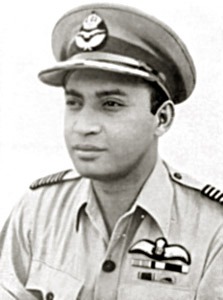
During the expansion and modernization of the Indian Air Force (IAF) in World War II, a cadre of exceptional pilots and leaders emerged to guide the force through unprecedented challenges. Leading this transformation was Subroto Mukerjee, the first Indian Chief of the Air Staff, who provided strategic vision and oversight, significantly enhancing the IAF’s size and capability.
Air Vice Marshal Harjinder Singh was a distinguished pilot who commanded IAF operations in Burma, showcasing remarkable skill and leadership. His contributions were crucial to the success of various missions against Japanese forces. Squadron Leader Karun Krishna Majumdar became the first Indian to be promoted to wing commander in the Royal Indian Air Force, setting a benchmark for future Indian aviators.
Flight Lieutenant Haider Raza adopted an unconventional approach by engaging in a one-man guerrilla war against the Japanese, effectively disrupting enemy operations with his innovative tactics. Additionally, Air Commodore Mehar Singh, renowned for his daring aerial exploits, played a pivotal role in several IAF operations during World War II. His bravery and groundbreaking strategies left a lasting impact on the history of the IAF.
These leaders exemplified courage, creativity, and strategic thinking, significantly contributing to the IAF’s efforts during the war.
Major Achievements
The Indian Air Force’s pivotal role in halting the Japanese army advance in Burma is one of its significant achievements during World War II. By providing critical air support, the Royal Indian Air Force (RIAF) disrupted Japanese supply lines and assisted ground troops. This effort not only safeguarded Burma but also prevented further incursion into India.
Throughout World War II, the RIAF performed diverse missions, including strike operations, close air support, reconnaissance, bomber escort, and pathfinding. Their effectiveness in these roles laid the foundation for future military successes.
Post-World War II, the Indian Air Force continued to demonstrate its prowess. During the First Kashmir War in 1947, IAF squadrons provided essential air support, proving decisive in key battles. In the Bangladesh Liberation War of 1971, the IAF achieved complete air superiority, conducting numerous combat sorties that expedited the conflict’s resolution. Additionally, during Operation Meghdoot in 1984, the IAF supported military operations in the challenging terrain of the Siachen Glacier.
Challenges Faced
Despite the Indian Air Force’s impressive achievements during World War II, it faced significant challenges adapting to the tropical and diverse environments. Operating in such varied physical and meteorological landscapes required continuous adaptation of equipment and procedures. The tropical conditions often led to mechanical issues, affecting the performance and reliability of aircraft.
The Indian Air Force had to prioritize ground support and reconnaissance missions over traditional aerial combat roles. These missions were crucial for gathering essential information, especially given the limited infrastructure in many operational areas. The IAF’s ability to provide accurate and timely intelligence was vital for the Allied forces’ strategic planning and operational success.
Maneuvering through different environments posed another layer of difficulty. Pilots and ground crews had to adjust their strategies and techniques to manage everything from dense jungles to vast deserts. Despite these hurdles, Indian Air Force personnel displayed remarkable resilience and adaptability.
Camaraderie played a crucial role in overcoming these challenges. Indian Air Force veterans shared strong bonds with their counterparts from various Allied air forces, fostering an environment of mutual support and collaboration. This camaraderie was instrumental in facing the numerous challenges World War II presented.
Legacy and Impact
The Indian Air Force’s contributions during World War II have left an indelible mark on military history, showcasing the valor and strategic prowess of Indian airmen. Their bravery and accomplishments played a vital role in various combat and support operations, earning well-deserved recognition. The legacy of these airmen is reflected in their diverse contributions, from flying Hurricanes and Spitfires to undertaking transport, reconnaissance, and close air support missions.
The impact of the Indian Air Force during World War II resonates beyond the battlefield. Veterans from this period have shared their experiences, highlighting the unique challenges they faced and the significant achievements they secured. These stories emphasize the often-overlooked contributions of Indian airmen, ensuring their efforts are remembered and celebrated.
Key aspects of their legacy and impact include:
- Bravery in combat: Indian airmen demonstrated exceptional courage in numerous aerial battles.
- Strategic versatility: They executed a wide range of missions, including reconnaissance and ground support.
- Technological adeptness: Mastery of aircraft like Hurricanes and Spitfires.
- Veteran stories: Personal accounts that illuminate their experiences and accomplishments.
- Increased recognition: Growing acknowledgment of their pivotal role in World War II.
Understanding the Indian Air Force’s legacy and impact ensures that their contributions are never forgotten.
Conclusion
The Indian Air Force (IAF) played a crucial role in World War II. From their formation and rigorous training to their critical combat operations in Burma, the IAF’s adaptability and bravery were evident. Pilots like Haider Raza led daring missions to gather vital intelligence and halt the Japanese advance. Despite numerous challenges, the IAF significantly strengthened the Allied efforts, leaving a lasting legacy in global military history. The IAF demonstrated its valor and strategic prowess throughout the conflict.