

The Royal Australian Air Force (RAAF) played a crucial role in World War II, impacting multiple fronts from Europe to the Pacific. RAAF squadrons, equipped with aircraft like Spitfires and Liberators, conducted thousands of sorties that disrupted enemy operations. Their strategic focus on key locations and industrial sites provided essential air support and reconnaissance for the Allies. These efforts translated into significant victories, thanks to their innovative tactics and relentless execution. The RAAF’s contributions were remarkable and pivotal in the overall success of Allied operations.
Formation and Early Years
The Royal Australian Air Force (RAAF) traces its origins back to 1911 with the establishment of the Central Flying School (CFS) a year later, marking the beginning of Australia’s military aviation efforts. This milestone paved the way for the formation of the Australian Flying Corps (AFC) in 1912. As a militia unit, the AFC quickly grew in importance and capability, becoming actively involved in World War I. During the war, the AFC conducted operational flights across various theaters, showcasing its strategic value and operational expertise.

The AFC was disbanded in 1919 after World War I but was soon reconstituted as the Australian Air Force in 1921. At its inception, it comprised 21 officers, 128 enlisted personnel, and 170 aircraft, heralding a new era for Australian air power. The early years of the RAAF were marked by significant milestones that established a robust infrastructure and accumulated valuable operational experience, laying the groundwork for its future roles.
Expansion Before WWII
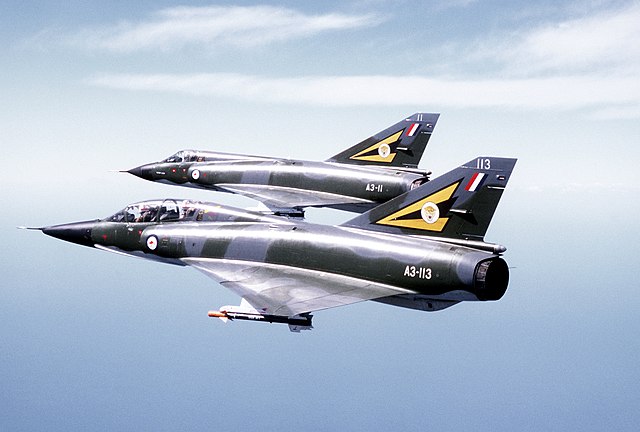
Before World War II, Australia rapidly expanded its air force, growing from under 1,000 personnel in 1935 to around 3,500 by 1939. This growth was crucial for the Royal Australian Air Force (RAAF) to meet the demands of impending global conflict. By the onset of the war, the RAAF had formed 12 squadrons, ready to defend Australian interests and assist allied forces.
The rapid expansion was largely facilitated by the Empire Air Training Scheme (EATS), a collaborative effort with Britain and other Commonwealth nations. This initiative aimed to train thousands of aircrew, ensuring that the RAAF had well-prepared pilots and support staff through rigorous training programs, making the squadrons combat-ready.
Additionally, the Australian government established the Department of Aircraft Production (DAP) to supply essential aircraft and equipment, significantly enhancing the RAAF’s operational capabilities. The DAP played a crucial role in ensuring the RAAF was well-equipped for the challenges ahead.
RAAF in Europe and North Africa

The RAAF’s impact in Europe and North Africa was significant. Australian squadrons participated in crucial Bomber Command missions and provided essential air support in the Mediterranean Theater. Despite facing numerous challenges, they played a pivotal role in the North African Campaign, contributing to the Allied victory.
Bomber Command Missions
RAAF squadrons in Bomber Command flew over 10,000 significant sorties targeting enemy infrastructure across Europe and North Africa during World War II. These missions were crucial in weakening the Axis powers by focusing on strategic locations and industrial sites that supported the enemy’s war effort. The dedication and bravery of RAAF aircrews were evident as they faced perilous conditions night after night.
The RAAF squadrons played a central role in bombing campaigns aimed at dismantling the enemy’s war capabilities. By targeting key industrial sites and crucial infrastructure, they disrupted the production and supply chains vital to the Axis war machine. Their relentless efforts made it increasingly difficult for the enemy to sustain its military operations.
However, the cost was high. Over 3,500 RAAF personnel were killed or went missing in action, underscoring the dangerous nature of these missions. Despite the high casualty rates, the contribution of RAAF bomber squadrons was undeniable. Their missions were integral to the overall Allied strategy, helping to pave the way for ultimate victory in Europe and North Africa. Understanding their sacrifices deepens appreciation for their heroic efforts.
Mediterranean Theater Operations
The Mediterranean Theater saw RAAF squadrons performing a variety of critical missions, including bombing raids, reconnaissance, and air support, demonstrating their versatility and effectiveness. RAAF units played key roles in multiple operations, significantly contributing to Allied efforts.
Notably, the renowned No. 3 Squadron and other RAAF units were instrumental in several ways:
- Bombing Raids: RAAF squadrons targeted strategic enemy positions, supply depots, and infrastructure, disrupting Axis operations.
- Reconnaissance Missions: These missions provided essential intelligence, enabling precise Allied planning.
- Air Support: RAAF pilots offered crucial air cover to ground troops, reducing the risk from enemy aircraft.
- Dogfights: RAAF pilots engaged in aerial combat with Axis forces, including the Luftwaffe, showcasing their skill and bravery.
In North Africa, RAAF contributions were pivotal, particularly in the Western Desert and during the Battle of El Alamein. Their efforts hindered enemy advances and protected Allied supply lines and troop movements. The RAAF’s performance in the Mediterranean Theater exemplified their ability to adapt and excel in various combat roles.
North African Campaign
During the North African Campaign, Australian squadrons, such as No. 3 Squadron of the RAAF, were instrumental in the Allied efforts. Flying Kittyhawks and Spitfires, these squadrons operated in Libya and Egypt, providing crucial air support for ground forces in challenging desert conditions.
RAAF pilots took part in a variety of air operations, including reconnaissance, ground attack, and bomber escort missions. Their combat aircraft targeted enemy positions and defended Allied bombers from Axis fighters. Despite facing harsh desert conditions and intense air battles, these pilots exhibited remarkable resilience and skill.
The RAAF’s role in North Africa extended beyond aerial combat. Their ground attack missions significantly disrupted Axis supply lines and troop movements, directly hampering the enemy’s war efforts. By offering continuous air support, the RAAF contributed to several key Allied victories.
Pacific War Engagements
The RAAF’s efforts in the Pacific War were essential, particularly in key battles like Kokoda and Milne Bay. Their use of aircraft such as Catalinas and Spitfires wasn’t just about flying; it involved tactical innovations that significantly influenced the war’s outcome. The RAAF’s strategic operations and air support were crucial in securing Allied victories.
Key Battle Contributions
RAAF aircraft, including Catalinas, Beauforts, and Spitfires, played a crucial role in key Pacific War battles such as Kokoda, Milne Bay, and the Battle of the Bismarck Sea. These planes provided essential strategic air support, significantly aiding Allied operations in the Pacific.
At Kokoda, RAAF aircrews were vital in supporting ground troops through reconnaissance and bombing missions, which helped slow the Japanese advance. During the Battle of Milne Bay, RAAF Beauforts and Spitfires provided air cover and attacked enemy positions, enabling Allied forces to repel the Japanese, marking one of their first major defeats in the Pacific War. In the Battle of the Bismarck Sea, RAAF aircraft attacked Japanese troop transports, sinking multiple ships and preventing reinforcements.
Here’s a summary of the RAAF’s contributions:
- Kokoda: Conducted reconnaissance and bombing missions.
- Milne Bay: Provided air cover and ground attack support.
- Battle of the Bismarck Sea: Destroyed enemy transports.
- Allied operations: Offered consistent strategic air support.
These efforts underscore the indispensable role of the RAAF in securing Allied victories in the Pacific.
Tactical Innovations Employed
Creative strategies such as hit-and-run strikes and strategic unit placement were pivotal to the Royal Australian Air Force’s (RAAF) effectiveness during the Pacific War. These tactical innovations allowed the RAAF to effectively combat formidable Japanese forces, often outperforming expectations given their relatively smaller size.
RAAF fighter pilots employed hit-and-run tactics to engage Japanese aircraft, such as the agile Mitsubishi Zero, and then quickly disengage to avoid being outmaneuvered. This approach minimized risks and maximized their impact during aerial engagements.
Strategic placement of RAAF units around key locations in Australia, Papua, and New Guinea provided local air superiority and rapid response capabilities. This strategic positioning was crucial in battles such as Kokoda, Milne Bay, and the Battle of the Bismarck Sea, where the RAAF’s presence was instrumental in stalling and eventually repelling Japanese advances.
These tactical innovations were part of a broader Allied counter-offensive strategy. By integrating hit-and-run tactics and strategic placement, the RAAF played a significant role in disrupting Japanese supply lines and weakening their operational capabilities. Their efforts were essential to the overall Allied victory in the Pacific, demonstrating the critical importance of tactical innovation in warfare.
Aircraft and Technology
During World War II, aircraft such as Spitfires, Beaufighters, and B-24 Liberators were crucial in enhancing the Royal Australian Air Force’s (RAAF) combat capabilities. These aircraft were integral not only due to their firepower but also because of the technological advancements they incorporated. The RAAF made significant strides in radar and navigation aids, greatly improving their operational effectiveness.
The technological innovations that transformed the RAAF’s capabilities included:
- Radar: Enabled early detection of enemy aircraft, providing RAAF pilots with a strategic advantage.
- Navigation Aids: Enhanced precision in bombing raids and long-range missions.
- Machine Guns and Cannons: Equipped on aircraft for offensive and defensive encounters.
- Bombing Systems: Advanced targeting systems increased the effectiveness of bombing missions.
Furthermore, the introduction of long-range aircraft like the Catalinas extended the RAAF’s operational reach, enabling missions over vast distances crucial for operations in the Pacific theater. The domestic production of aircraft such as the Beaufort and Wirraway also played a significant role in supporting the RAAF during the war, ensuring a steady supply of aircraft tailored to the specific needs of the Australian forces.
Command and Operations
Under the unified structure of RAAF Command established in 1942, squadrons were strategically grouped to enhance operational efficiency. This restructuring enabled the Royal Australian Air Force to better coordinate its defensive roles, such as protecting Australia’s mainland and essential sea lanes from enemy threats. By grouping units under area commands, RAAF Command effectively managed and directed air operations across different regions.
During the war, these area commands were crucial in orchestrating various campaigns that supported Allied efforts. The flexibility and strategic oversight provided by RAAF Command ensured that resources were deployed where they were most needed. Whether intercepting enemy aircraft or providing ground support, the RAAF’s structured approach had a significant impact.
After 1945, the introduction of P-51 Mustangs further improved the RAAF’s capabilities. These aircraft were used for both fighter and ground attack roles, proving invaluable in post-war operations. The Mustangs demonstrated the ongoing evolution and adaptability of the RAAF under its command structure. By focusing on operational efficiency and adaptive strategies, RAAF Command played a pivotal role in the broader success of Allied military efforts during and after World War II.
Training and Recruitment
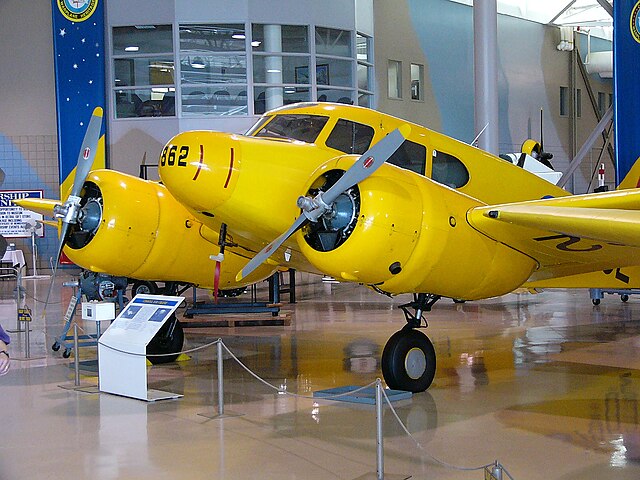
The RAAF’s extensive training and recruitment efforts were crucial in building a capable force ready for the demands of World War II. Through the Empire Air Training Scheme, over 27,000 personnel were trained, ensuring a continuous influx of skilled individuals into the RAAF. Recruitment campaigns attracted thousands of Australians eager to serve in various capacities, from pilots to ground staff.
Training schools were established both in Australia and abroad, offering specialized programs for different roles. These schools focused on:
- Pilot training: Preparing recruits to proficiently operate a wide range of aircraft.
- Navigator courses: Teaching precise navigation techniques essential for successful missions.
- Air gunner training: Training airmen to effectively defend aircraft during operations.
- Ground staff education: Equipping personnel with the necessary skills for critical support roles.
Personnel and Casualties
The Royal Australian Air Force (RAAF) played a pivotal role in World War II, with over 182,000 men and women serving during the conflict. Their involvement came with significant challenges and sacrifices. Approximately 10,000 RAAF personnel were casualties, with about 3,486 losing their lives.
Bomber Command was particularly perilous, with a casualty rate exceeding 40%, reflecting the dangerous nature of aerial combat missions often conducted under heavy enemy fire. Additionally, over 2,400 RAAF personnel became prisoners of war, enduring harsh conditions in various theaters of the conflict.
These figures underscore the bravery and dedication of RAAF personnel, whose sacrifices were crucial to the broader Allied efforts. Their commitment and the risks they faced highlight the perilous nature of their missions and their unwavering sense of duty.
Post-War Impact
Following World War II, the Royal Australian Air Force (RAAF) swiftly modernized and expanded, becoming the fourth largest air force globally. This transformation focused on several key areas:
- Modernization: The RAAF adopted cutting-edge technologies, enhancing their operational capabilities and ensuring they remained at the forefront of aerial combat and defense strategies.
- Technological Advancements: Post-war initiatives led to the acquisition of advanced aircraft and systems, notably upgrading their fleet with jet engines and radar technologies.
- Expansion: The RAAF’s growth extended beyond numbers to include scope. They established new bases and training facilities both domestically and internationally, supporting a broader and more diverse operational mandate.
- Global Defense: The RAAF’s involvement in the Korean War, Vietnam War, and various peacekeeping missions underscored their evolving role in global defense. Their contributions during these conflicts highlighted their enhanced capabilities and commitment to international security.
This period of growth and improvement ensured the RAAF’s effective contribution to global defense and its ability to respond to new challenges in the rapidly changing geopolitical landscape.
Conclusion
The Royal Australian Air Force (RAAF) played a crucial role in World War II through strategic bombing, reconnaissance, and air support missions that significantly disrupted enemy operations. Equipped with advanced aircraft and innovative tactics, the RAAF secured key victories in Europe, North Africa, and the Pacific. The dedication and bravery of RAAF personnel were instrumental in the Allied victory, leaving a lasting impact on post-war aviation and military strategy. This legacy of excellence continues to influence the RAAF’s modern operations.