

Before he was a Hall of Fame slugger, Hank Greenberg was one of the first Major League Baseball players to enlist after the attack on Pearl Harbor. Known for his towering home runs and fierce competitiveness on the field, Greenberg put his career on hold at the height of his prime to serve his country during World War II.
Trading his baseball bat for a military uniform, he spent nearly four years in the U.S. Army Air Forces, rising to the rank of captain. This article explores how Greenberg’s wartime service revealed the same courage and character that made him a legend—not just in baseball, but in American history.
Key Takeaways
- Hank Greenberg registered for the peacetime draft on October 16, 1940.
- Initially classified as 4F, Greenberg was later reclassified and inducted into the U.S. Army.
- He served as an anti-tank gunner and quickly rose to the rank of sergeant.
- Greenberg graduated from Officer Candidate School, becoming a first lieutenant.
- During his military service, he supervised athletic programs for 47 months.
Early Life and Baseball Beginnings
Hank Greenberg’s expedition from a New York City childhood to baseball stardom began in an Orthodox Jewish household that cherished tradition. As a baseball player, Greenberg, affectionately known as Hammerin Hank, initially showcased his athletic prowess at James Monroe High School. His talent didn’t go unnoticed, leading him to briefly attend New York University.
However, his destiny lay with the Detroit Tigers, who signed him for $9,000 in 1929. At just 19, he debuted in Major League Baseball, quickly becoming the league’s youngest player. Greenberg’s impressive batting average of .339 in 1934 and his powerful home runs solidified his reputation. His Jewish identity came to the forefront when he famously declined to play on Yom Kippur, earning widespread admiration.
Rise to Stardom in Major League Baseball
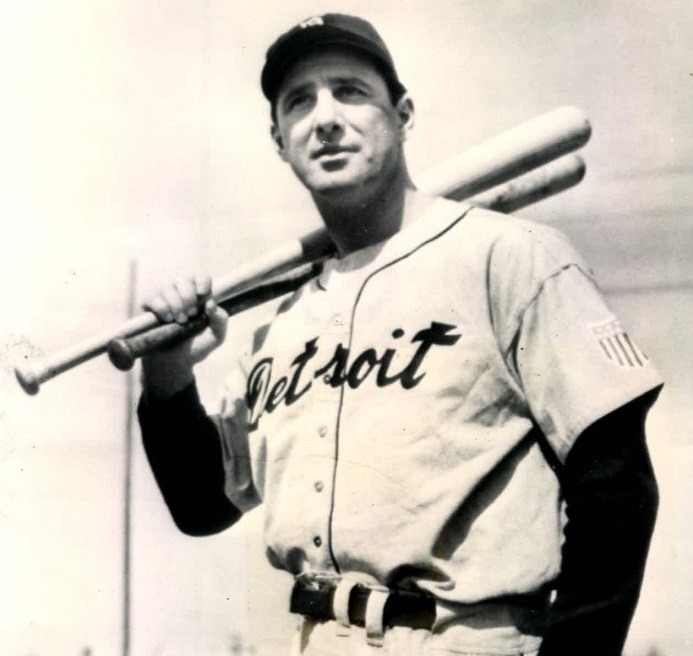
Emerging as a formidable force in Major League Baseball, Greenberg quickly made his mark with the Detroit Tigers. At just 19, he debuted on September 14, 1930, becoming the youngest player in the league. His prowess at the plate was undeniable, boasting a career batting average of .313 and smashing 331 home runs.
Greenberg led the American League in home runs four times, with an astonishing 58 in 1938. His contributions were crucial in the Tigers’ World Series championships in 1935 and 1945. Greenberg’s efforts earned him the American League MVP title twice, in 1935 and 1940.
Recognized as a cultural icon, he was inducted into the Baseball Hall of Fame in 1956, cementing his legacy.
Facing Antisemitism and Overcoming Challenges
While Greenberg’s prowess on the field was unmatched, playing under the shadow of antisemitism presented a different kind of challenge. As Hank Greenberg faced significant discrimination, he channeled this adversity into motivation to excel in baseball. Raised in an Orthodox Jewish household, he initially resented being labeled solely as a Jewish ballplayer.
However, he accepted his role as a symbol of Jewish representation, paving the way for future athletes. Greenberg’s public support for Jackie Robinson in 1947 highlighted his commitment to inclusivity and breaking racial barriers. His military service as an Air Force Officer further strengthened his resolve against prejudice.
Greenberg’s legacy is defined not just by impressive stats, but also by overcoming challenges and advocating for equality in sports.
Enlistment and Military Training
On October 16, 1940, Hank Greenberg markedly shifted gears from baseball to military service by registering for the initial peacetime draft. Initially classified as 4F due to flat feet, he was later reclassified and inducted into the U.S. Army on May 7, 1941. The celebrated baseball player left the Detroit Tigers after just 19 games to commence military training.
Greenberg served as an anti-tank gunner, quickly rising through the ranks to sergeant before graduating from Officer Candidate School. Demonstrating remarkable commitment, he re-enlisted in 1942 and was commissioned as a primary lieutenant in the Army Air Forces.
During WWII, he supervised athletic programs stateside, serving a total of 47 months, and became the initial major leaguer to enlist. As part of his military service, Greenberg would have been familiar with the rigorous tests required for physical fitness, a common aspect of military training during World War 2.
Wartime Contributions and Leadership
Hank Greenberg’s military expedition didn’t just stop with his enlistment and training; he made significant contributions during his service that highlighted his leadership and commitment. As the initial major league player to enlist in the U.S. Army during World War II, Greenberg initially served as an anti-tank gunner.
His leadership skills soon shone through as he shifted to overseeing athletic programs and training facilities, ensuring troops remained physically prepared. His involvement in morale-boosting initiatives, such as a war bonds game that generated $800 million in pledges, showcased his dedication to the cause.
Greenberg’s talks to war plant workers further fueled production efforts. Upon returning to baseball in 1945, his initial home run symbolized his seamless reintegration into the sport. The 442nd Regimental Combat Team exemplified exceptional bravery and commitment, earning it the title of the most decorated unit of its size in U.S. military history.
Impact of War on Baseball Career
Despite the challenges posed by World War II, Hank Greenberg‘s baseball career is a tribute to resilience and sacrifice. As the initial major leaguer to enlist, Greenberg interrupted his promising baseball career to serve in the U.S. Army, later becoming a first lieutenant in the Army Air Corps. His military service spanned 47 months, the longest among professional baseball players, which deeply impacted his playing years.
Missing 4 1/2 years, Greenberg’s absence from the field sparked speculation about what he might have achieved without the war. Yet, upon being discharged, he made an immediate impact, hitting a home run in his first game back on July 1, 1945. His dedication underscores the sacrifice he made for his country.
Return to the Majors and Post-War Achievements
After serving 47 months in the U.S. Army during World War II, Hank Greenberg made a remarkable return to Major League Baseball on July 1, 1945. In his initial game back, he smashed a home run, signaling his triumphant comeback. As a key player for the Detroit Tigers, Greenberg’s grand-slam home run helped clinch the American League pennant in 1945.
Post-war, he continued to dominate the field. In 1946, he led the league with 44 home runs and 127 RBIs, proving that time away hadn’t diminished his prowess as a slugger. By the end of his career, he amassed 331 home runs and a .313 batting average, cementing his status as one of baseball’s greatest post-war legends.
During the same period, women known as the Rosie the Riveter campaigners were making significant contributions to the workforce, taking on roles in industries traditionally dominated by men.
Legacy of Service and Sportsmanship
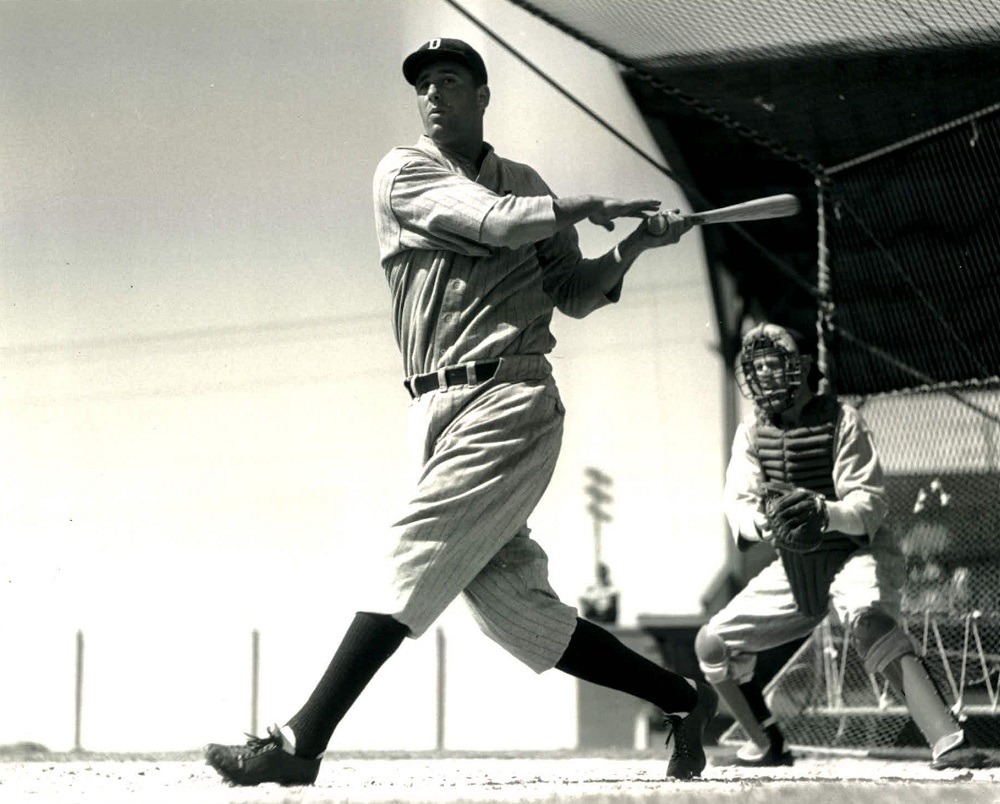
While many athletes shine on the field, few leave a mark as profound as Hank Greenberg did both on and off the diamond. His legacy of service and sportsmanship is a reflection of his character.
Hank Greenberg was the primary major leaguer to enlist in the U.S. Army during World War II, putting his baseball career on hold for patriotic duty. His role in the Army Air Corps included enhancing morale and leading athletic programs.
- Hit a vital home run upon returning to the Tigers in 1945
- Participated in a war bonds game, raising $800 million
- Raised to first lieutenant, showcasing leadership
- Revered as a baseball superstar and patriotic figure
- Embodied selflessness, sacrificing career for service
Hank’s actions inspire admiration from fans and soldiers alike.