
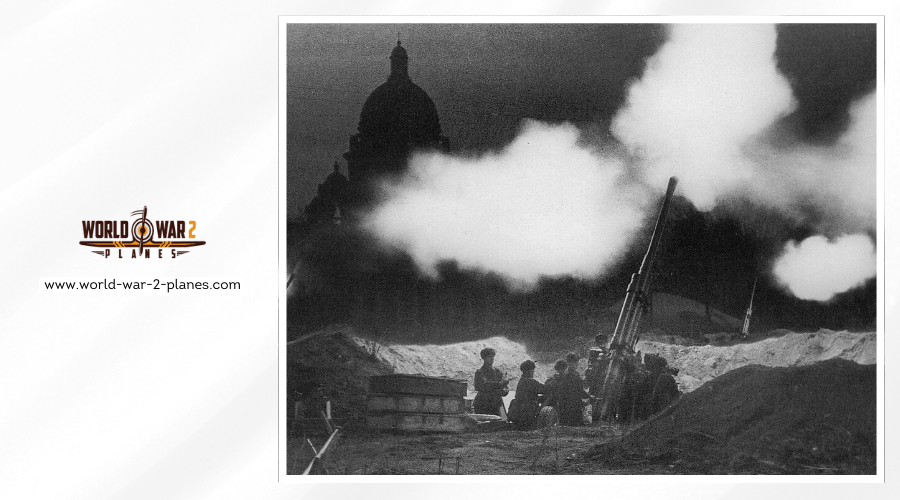
The Siege of Leningrad tested human endurance during a 900-day World War II blockade. Encircled by German forces, you would face starvation, horrific shortages, and freezing winters with only 125 grams of bread daily. Despite these hardships, resilient citizens built defenses, engaged in underground resistance, and persevered through cultural activities. Soviet efforts eventually broke the encirclement in early 1943. Learn how their spirit, fortitude, and unity led to eventual liberation in January 1944.
The Historical Context of the Siege
When the Siege of Leningrad began on September 8, 1941, it was the start of a harrowing period in history marked by extreme hardship and loss. Leningrad, with its population of over 3 million, faced a brutal blockade by German forces as part of Operation Barbarossa. The Germans aimed to capture this key Soviet city, intending to starve its population into submission and obliterate its significance.
The siege resulted in approximately 1 million civilian deaths from starvation, cold, and bombardment. Leningrad, the former Russian capital, was essential for its military and industrial contributions, producing 11% of Soviet output in 1939. The Soviet leadership, under Stalin, underestimated the German threat, leading to inadequate preparations and devastating consequences.
During the same period, Thailand was impacted by World War II as Japanese demands led to a complex shift in alliances and the eventual occupation.
German Strategies and Preparations
Despite initial underestimations by Soviet leadership, the German military carefully planned their strategies for the Siege of Leningrad as part of Operation Barbarossa. Led by Field Marshal Wilhelm Ritter von Leeb, the German armies aimed to encircle the city, cutting off essential supply lines. Their overextended forces, with only 26 divisions instead of the necessary 35, swiftly captured key locations like Kingisepp and Narva.
By August 30, 1941, the last rail connection was severed, isolating Leningrad. Implementing a starvation strategy, the German armies encircled the city by September 8, 1941, as per Hitler’s directive. His focus was on the destruction and relocation of Leningrad’s civilian population, reflecting a grim intent to destroy rather than occupy.
The Luftwaffe’s involvement in Operation Barbarossa initially gave Germany an air superiority advantage, yet the brutal Russian winters and Soviet counterattacks eventually turned the tide against them.
Fortifying Leningrad: Civilian and Military Efforts

Although the threat of encirclement loomed large, Leningrad’s residents and soldiers sprang into action, fortifying the city with remarkable determination and ingenuity.
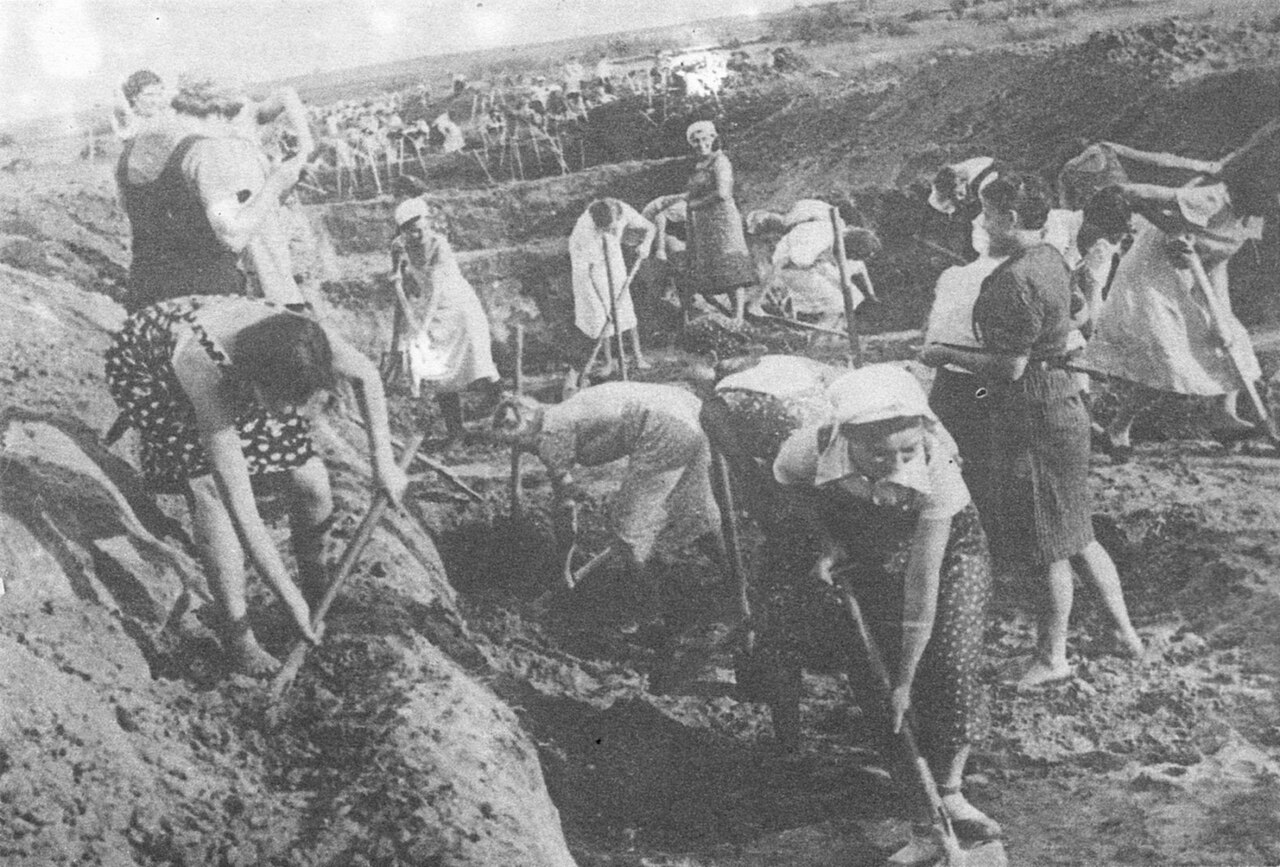
Civilian mobilization began on June 27, 1941, with over a million residents building defenses like timber barricades and anti-tank ditches. The Leningrad Front, comprising four armies, prepared extensive trenches to defend against the Germans.
Key defensive strategies included using the freezing winter to transport supplies across Lake Ladoga, despite harsh conditions. Leningrad’s factories kept running, producing arms and munitions, showing the civilian workforce’s resilience.
Their combined efforts created a robust line of defense, enabling the city to withstand the siege and ultimately achieve a Soviet victory by repelling Axis forces.
The Encirclement and Initial Struggles
On September 8, 1941, the Siege of Leningrad began in earnest when German forces severed the city’s last rail connection, isolating it and cutting off vital supplies.
The German Army Group North, led by Field Marshal Wilhelm Ritter von Leeb, aimed to capture the city but met fierce Soviet resistance. This led to an encirclement that trapped the Leningrad population by early November.
The German strategy was brutal: systematic starvation. Scientists predicted starvation would ravage the city in weeks.
Civilians, however, rallied to fortify Leningrad’s defenses, erecting timber barricades and digging anti-tank ditches. Despite their efforts, food rations dwindled to just 125 grams of bread per person daily during the winter of 1941-42, intensifying the struggle for survival.
The Impact on Leningrad’s Civilians
As the Siege of Leningrad wore on, the devastating impact on its civilians became undeniable. Starvation claimed nearly a million lives, as food rations dwindled to a mere 125 grams of bread daily during the brutal winter of 1941-42.
You faced unimaginable hardships, with families torn apart as men left for the front. Women and children had to shoulder the burden of survival, taking on jobs to secure slightly better rations.
Desperation led some to horrific measures, including cannibalism, highlighting the extreme despair gripping the city. Daily bombings and the relentless hunger inflicted deep psychological trauma, leaving scars that would last a lifetime.
The siege tested the limits of human endurance, as survival became the sole focus for Leningrad’s civilians.
Soviet Relief Efforts and Breakthroughs
The unimaginable hardships endured by Leningrad’s civilians during the siege gave rise to extraordinary efforts to break the city’s isolation.
Soviet relief efforts were imperative, involving daring airlifts and supply deliveries over Lake Ladoga. The Road of Life, an ice road across the lake, became a lifeline, evacuating over 1.7 million people and bringing critical food and fuel during harsh winters.
In early 1943, Soviet offensives ultimately cracked the German encirclement, allowing more supplies to flow into the city. This bolstered the resilience of Leningrad’s people.
Local food production, like cultivating vegetable gardens, also played a significant role in easing starvation.
The Human Spirit: Stories of Resilience
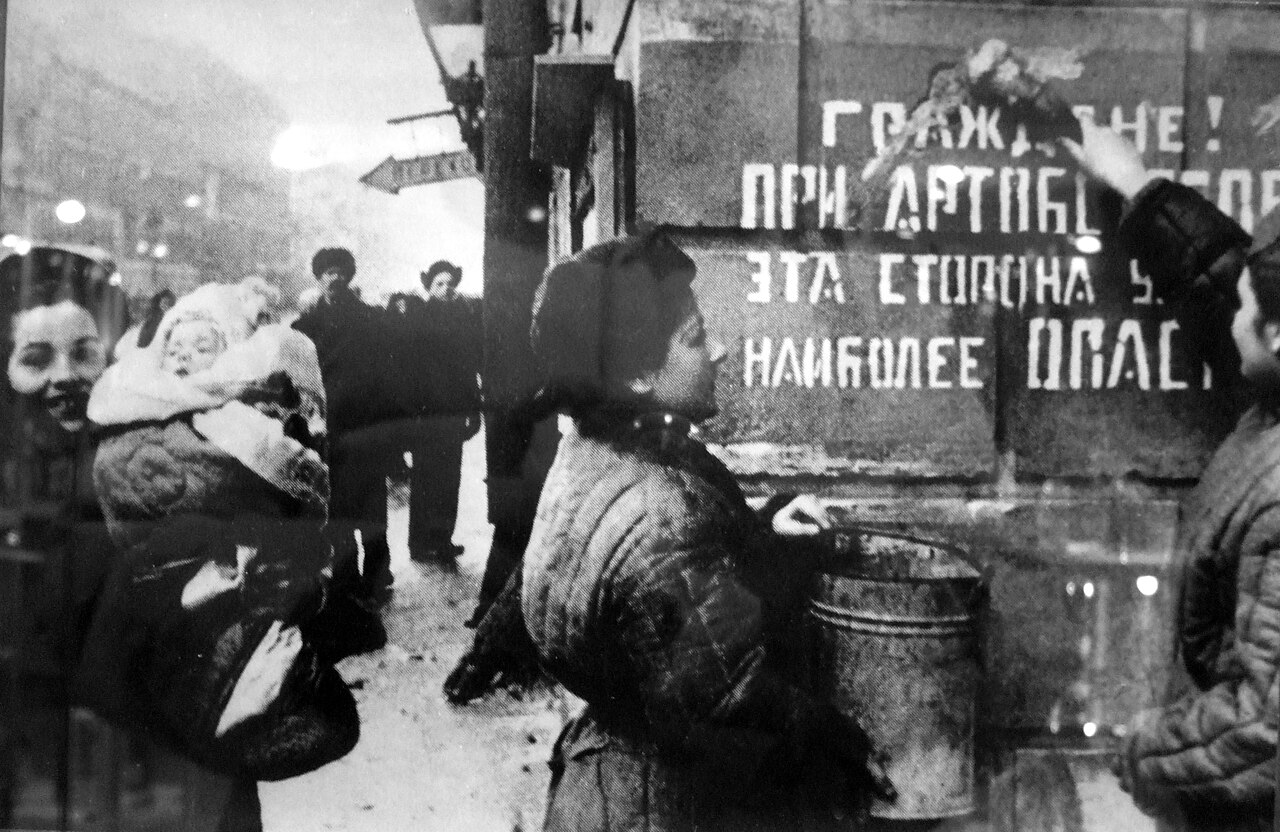
Amidst the relentless bombardment and starvation, Leningrad’s citizens showcased an indomitable human spirit that shone through the darkest days of the siege.
In the beleaguered city, the people of Leningrad demonstrated remarkable resilience. Despite crippling food rations, they cultivated vegetable gardens in 1943, a demonstration of their resourcefulness. Acts of kindness flourished, with survivors sharing their meager supplies and supporting one another through unimaginable hardships.
Families showed determination by evacuating over 1.7 million individuals, including 414,148 children, amidst chaos. Even as food and fuel dwindled, factories continued to produce arms, highlighting a collective effort to sustain morale.
The Piskaryovskoye Memorial Cemetery stands as a solemn tribute to their sacrifices, reminding us of the enduring spirit of Leningrad’s people.
The Role of Music and Cultural Defiance
While Leningrad endured the brutal siege, music emerged as a guiding light of hope and resistance. Amidst the devastation, Dmitri Shostakovich composed his Seventh Symphony, aptly named the “Leningrad Symphony,” symbolizing resilience. Its initial performance in the besieged city on March 5, 1942, was a powerful statement.
Despite constant bombardment, the symphony echoed through Leningrad, reinforcing the indomitable spirit of its residents. Music wasn’t just an escape; it was an emotional outlet, essential for morale and community.
Concerts and cultural events persisted, showcasing defiance against the oppressors. Shostakovich’s symphony became a universal symbol of resistance, resonating with audiences worldwide, highlighting music’s enduring power to inspire hope even in the darkest times.
Legacy and Commemoration of the Siege
Honoring the resilience shown during the Siege of Leningrad isn’t just about remembering the past; it’s about understanding the profound legacy that shapes today’s perceptions.
The Order of Lenin, awarded in 1945, stands as a tribute to the citizens and Heroic Defenders of Leningrad who endured unimaginable hardships. Designated as a Hero City in 1965, Leningrad’s spirit of defiance and unity is commemorated through numerous monuments, including the 1975 memorial, reminding you of the siege’s enduring impact.
Visiting the Piskaryovskoye Memorial Cemetery, where over 400,000 victims rest in mass graves, you feel the weight of history and sacrifice. This legacy continues to resonate, highlighting the importance of remembrance and education for future generations about the blockade’s events.