

Before Roald Dahl became known for enchanting children’s books like Charlie and the Chocolate Factory and Matilda, he lived a life straight out of an adventure novel. During World War II, Dahl served as a Royal Air Force fighter pilot, surviving near-fatal crashes and flying dangerous missions across the Middle East and Europe.
His wartime experiences were filled with drama, danger, and unexpected turns—elements that would later shape his vivid storytelling. This article explores how Dahl’s real-life adventures in WWII helped transform him from daring pilot to one of the most beloved authors of the 20th century.
Key Takeaways
- Roald Dahl served as a fighter pilot in the Royal Air Force during World War II.
- He survived a crash landing in the Libyan desert, sustaining significant injuries.
- Dahl returned to combat after recovery, participating in the Battle of Greece.
- His World War II experiences influenced the adventurous themes in his writing.
- Post-war, Dahl became a celebrated author, selling over 300 million books globally.
Early Life and Background
Born on September 13, 1916, in Llandaff, Cardiff, Wales, Roald Dahl entered the world as the son of affluent Norwegian immigrants. His childhood was shadowed by personal tragedy, losing his father and sister early on. This led his mother to focus on his education at English schools, though he faced homesickness and a lack of recognition for his writing talent at institutions like St Peters and Repton.
As a young adult, Dahl worked as a management apprentice at Shell Company, later stationed in Dar es Salaam, Tanganyika. There, he led a platoon in the King’s African Rifles. Despite concerns about his height affecting his future as a Royal Air Force pilot, Dahl accepted his nickname “lofty” during his service.
Transition to Aviation
Driven by a passion for flight, Roald Dahl left his position in Tanzania in November 1939 to enlist in the Royal Air Force. Through hard work and determination, he achieved several milestones in his aviation career:
- Flight Training: Despite his height, Dahl mastered de Havilland Tiger Moths, earning his pilot’s brevet on May 24, 1940.
- Pilot Officer Commission: Just three months after qualifying, he became a pilot officer, accumulating over 156 flying hours.
- Aircraft Changeover: Initially flying Gloster Gladiator biplanes, Dahl shifted to the more advanced Hurricane Mk. Is with No. 80 Squadron.
- First Combat Mission: His inaugural mission led to a crash landing in the Libyan desert, causing significant injuries and a prolonged recovery.
Added Sentence: Dahl’s journey to becoming a pilot involved basic flight training, where he developed fundamental flying skills and survival techniques, crucial for his later combat missions.
The Crash Landing in the Libyan Desert
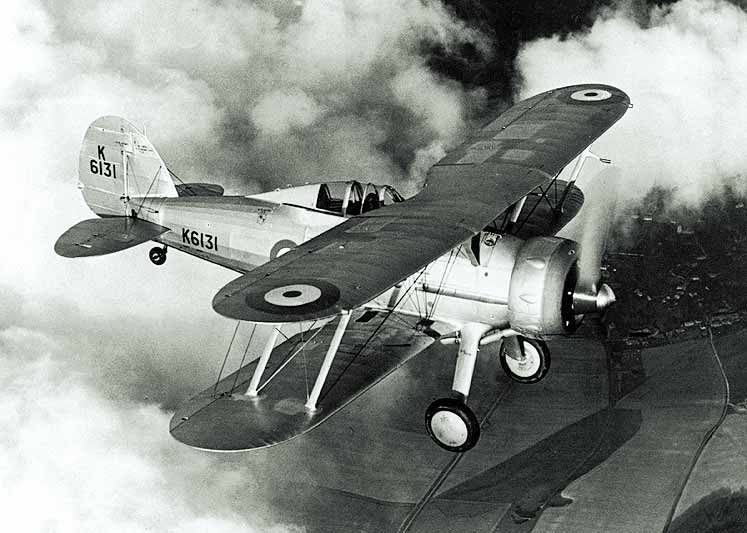
Roald Dahl’s expedition in aviation took a dramatic turn on September 19, 1940, when his mission with No. 80 Squadron ended in a harrowing crash landing in the Libyan desert. Unable to locate the airstrip, he found himself in a dire situation, piloting a Gloster Gladiator.
The crash leaves him with a fractured skull and other injuries, but he courageously escape the burning aircraft before it explodes. Rescue arrives the next morning when a patrol from the Suffolk Regiment finds him between British and Italian forces. His recovery unfolds in a British military hospital in Alexandria, where doctors predict he’ll never fly again.
Yet, through determination and rehabilitation, he defied the odds, returning to his squadron as a fighter pilot in World War II. Inspired by remarkable wartime aviation innovations, such as The Wooden Wonder, Dahl’s own experiences in the skies would later influence his storytelling and literary contributions.
Aerial Combat Experience
As you plunge into the aerial combat experiences of Roald Dahl, you’ll find his role as a fighter pilot with No. 80 Squadron was nothing short of exhilarating and perilous. His adventures in the skies of World War II are marked by:
- Intense aerial combat: Engaging enemy aircraft during the Battle of Greece, Dahl shot down at least one German plane.
- First flight challenges: His inaugural operational flight ended in a crash landing in the Libyan desert, resulting in severe injuries, including a fractured skull.
- Courageous recovery: Despite these injuries, Dahl returned to duty, resuming combat missions with remarkable resilience.
- Enduring impact: The thrill and danger of aerial warfare deeply influenced his writing, embedding themes of adventure and bravery in his stories.
- A remarkable aspect of WWII aerial warfare was the Eagle Squadrons, composed of American volunteer pilots who joined the RAF and made significant contributions to key battles.
Espionage Work in Washington, D.C
After his exhilarating experiences in the skies of World War II, Roald Dahl found himself in a different kind of battlefield—this time, in the intricate world of espionage in Washington, D.C. As a British fighter pilot turned intelligence officer, Dahl was sent to the British Embassy in 1942.
His mission was to promote U.S. involvement in the war. Working with British Security Coordination, he charmed his way into the social circles of influential political figures, including President Roosevelt. Dahl’s espionage activities involved gathering intelligence and obtaining sensitive documents.
Despite being viewed as undiplomatic by some embassy officials, he maintained critical relationships and assisted Ernest Hemingway’s travel plans. Canadian spymaster William Stephenson recognized Dahl’s significant contributions to the war effort.
Collaboration With Walt Disney
While stationed at the British Embassy in Washington, D.C., Roald Dahl’s creative talents caught the eye of Walt Disney, who became intrigued by a story Dahl had penned about mischievous gremlins. This led to a promising collaboration aimed at creating an animated feature. However, creative disagreements arose, causing the project to terminate prematurely.
- Initial Foray: Despite the setback, Dahl’s illustrated book “The Gremlins” became his initial foray into children’s literature.
- Eleanor Roosevelt: The book established a connection with Eleanor Roosevelt, enhancing Dahl’s reputation.
- Literary Success: Although the film didn’t materialize, Dahl’s literary success was unstoppable.
- Beloved Books: He eventually authored some of the most beloved children’s books in history, cementing his legacy.
Transition to Writing
Having bravely served as a fighter pilot, Roald Dahl pivoted his experiences into a writing career that would enchant generations. After his military service, Dahl took inspiration from his wartime experiences, crafting stories that captured the essence of bravery and adventure.
His initial published story, “A Piece of Cake,” recounted his dramatic crash in the Libyan desert. This tale showcased his unique storytelling style, blending dark humor with fanciful elements. His venture into children’s literature began with “The Gremlins,” which attracted Walt Disney’s attention. This collaboration set the stage for Dahl’s success in the genre.
In 1961, he published “James and the Giant Peach,” solidifying his reputation as a master storyteller beloved by children worldwide.
Legacy and Impact
Though Roald Dahl’s tales were crafted for the young, their impact transcends generation and time. His path from the British military, where he became a fighter pilot, to becoming a celebrated children’s author is a demonstration of his enduring appeal.
Dahl’s legacy is vast and multifaceted:
- Sales Success: Over 300 million copies of his books sold worldwide, cementing his place in children’s literature.
- Accolades: He was honored with the 1983 World Fantasy Award and named British Book Awards Children’s Author of the Year in 1990.
- Cultural Adaptations: His stories, like “Matilda,” have been adapted into films and stage productions, reinforcing his legacy.
- Financial Impact: In 2021, he ranked as Forbes’ top-earning dead celebrity, proving his stories’ lasting impact.