

Through farewell letters and final messages, you’ll find kamikaze pilots often expressed two main sentiments: deep love for their families and steadfast dedication to Japan. They’d write heartfelt apologies to parents for being “unworthy” sons, make requests about caring for siblings, and share treasured memories of home. In their last moments, they’d participate in ceremonial sake drinking, recite Buddhist sutras, and shout “Banzai!” for the emperor.
Many found a profound sense of peace in their final sacrifice, viewing it as their sacred duty to protect both nation and loved ones. Their intimate thoughts reveal a complex blend of personal anguish and patriotic resolve.
The Final Letters Home
Letters from kamikaze pilots to their families reveal deeply personal and poignant final messages before their suicide missions. In their farewell letters, these Japanese pilots poured out their hearts, expressing gratitude while apologizing for being inadequate sons and brothers. You’ll find that many requested their families be cared for after their divine sacrifice, showing their enduring concern for loved ones even as they prepared for death. The kamikaze strategy originated from the desperate move by the Japanese Imperial Navy during WWII.
These final writings often reflected a significant sense of peace and acceptance about their fate. You can see how pilots shared treasured memories of home life and asked that their final greetings be passed on to neighbors and friends. Their words weren’t filled with regret about their participation in suicide attacks, but rather demonstrated a profound sense of duty to protect their homeland and families.
The letters capture raw emotional reflections, from appreciation for brief final family meetings to unwavering determination to fight bravely for Japan. Through their written words, you’ll observe how these pilots balanced their personal feelings with their commitment to what they believed was the greater good of their nation.
Farewells to Family Members
Many kamikaze pilots’ farewells to family members revealed a complex mix of gratitude, remorse, and steadfast devotion. In their final letters, Japanese Kamikaze Pilots expressed deep appreciation for their upbringing while apologizing for what they perceived as their shortcomings as sons and brothers. You’ll find that these young men of the Japanese military felt compelled to address their family’s future well-being, often making specific requests about caring for parents and siblings after their death. The courage, flying skills, and advocacy of these pioneering female aviators set the stage for women’s pivotal roles in aviation during the war.
The pilots’ messages reflected their acceptance of fate while holding onto precious final moments with loved ones. You can sense their strong sense of duty towards family protection, even as they prepared for their final missions. Their writings show how they viewed their sacrifice as a means to defend their family from afar, altering personal loss into a shield for their loved ones.
These farewell messages weren’t just simple goodbyes – they were weighty expressions of finding peace with death while cherishing their final family connections. You’ll notice how they balanced their military obligations with deeply personal sentiments, creating lasting testimonies of their family bonds.
Messages of Patriotic Duty
Patriotic fervor coursed through the final messages of kamikaze pilots, who saw their ultimate sacrifice as a sacred duty to Emperor and country. In one of the darkest chapters of Japanese History, these pilots embraced adopted their role in the Imperial Japanese military’s desperate strategy against U.S. forces, viewing their suicide charges as necessary to protect their homeland and loved ones.
You’ll find that their final words often reflected a deep sense of obligation to defend Japan, even as they apologized to their families for choosing this path. While U.S. history records these attacks as acts of fanaticism, the pilots’ messages reveal a more complex reality – they were ordinary men driven by an extraordinary sense of duty. They frequently expressed their determination to guard their nation against what they perceived as an existential threat.
Their farewell letters show how they transformed metamorphosed personal anguish into patriotic resolve, believing their deaths would serve a greater purpose. While acknowledging the pain they’d cause their families, these pilots consistently framed their actions as a necessary sacrifice to protect their country and ascertain ensure their loved ones’ future security. The concept of balloon bombs was a bold and innovative form of warfare, targeting the enemy from afar.
Words to Loved Ones

Tender messages to family members revealed the deeply personal side of kamikaze pilots’ final communications. Japanese pilots serving in the Special Attack Units often wrote deeply moving final letters expressing their innermost feelings to those they’d leave behind. Before their suicide missions, they poured their hearts out with messages of gratitude, regret, and acceptance.
Their letters commonly included:
- Heartfelt apologies for being “unworthy” sons or brothers, showing their deep sense of obligation to family
- Requests for family members to care for parents and siblings after their death
- Expressions of peace and acceptance about their fate, often sharing cherished memories
- Final goodbyes and gratitude for the love and support they’d received throughout their lives
You’ll find that these personal messages stood in stark contrast to their official military communications. While they accepted their duty to die for Japan, their final letters showed they were also sons, brothers, and loved ones confronting the prospect of leaving their families behind. They often acknowledged life’s temporary nature while expressing determination to face their destiny with courage and dignity. The iconic female stars who performed for the USO during WWII also provided a sense of normalcy and hope for the troops.
Thoughts About Death and Honor
The concept of honorable death deeply shaped kamikaze pilots‘ final reflections, as they grappled with their impending fate. During World War II, these members of the Japanese Army welcomed their role as Divine Wind pilots with a remarkable sense of serenity. You’ll find that their thoughts about death weren’t filled with fear or regret, but rather with acceptance and tranquility.
In the defining moments of U.S. history, these pilots viewed their sacrifice as a profound duty to their nation. You can see this reflected in their final messages, where they often expressed peace about their destiny and gratitude for their lives. They didn’t see themselves as victims but as willing participants in a sacred mission. The Mitsubishi A6M2 Zero was a fighter aircraft commonly used by kamikaze pilots during the war.
Their contemplations about death were intricately linked to their sense of honor and duty. While acknowledging life’s transient nature, they focused on the meaningful impact their sacrifice would have. You’ll notice that many pilots found solace in knowing their deaths would serve a greater purpose, altering their fear into acceptance. This mindset helped them maintain composure as they faced their final moments in service to their country.
Last Ceremonial Rituals and Speeches
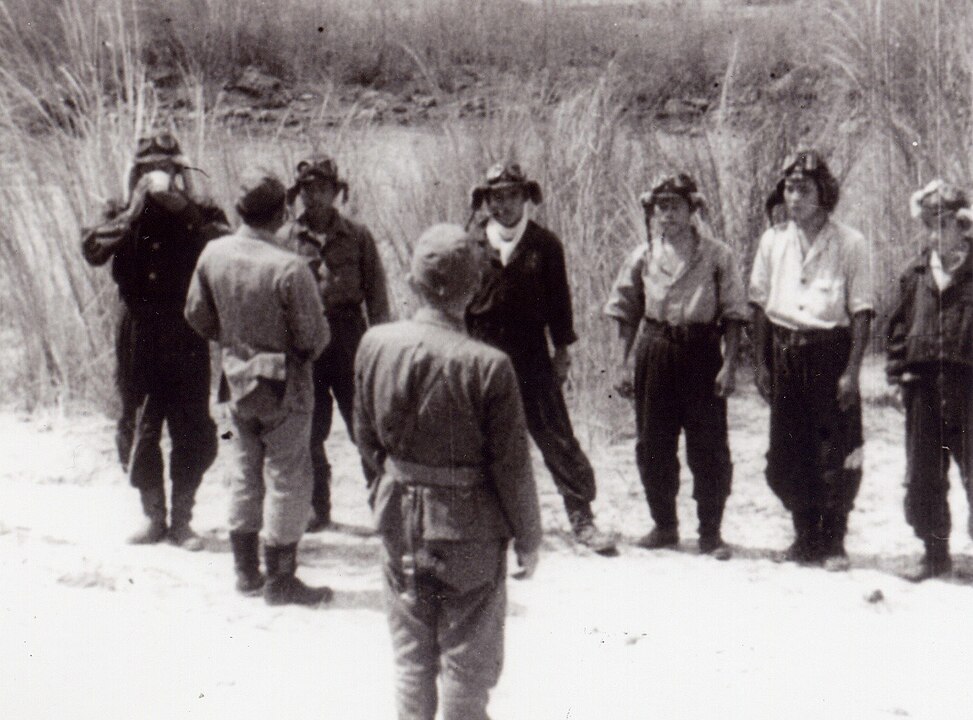
Many kamikaze pilots engaged in solemn ceremonial rituals before setting out on their final missions. During these profound moments, they’d participate in traditional customs that honored their ultimate sacrifice. You’ll find that these ceremonies involved drinking sake and sharing rice with fellow pilots, while receiving medals and katana swords as symbols of their valor.
Before taking flight, pilots would often deliver emotional speeches that emphasized their commitment to protecting their country and loved ones. They’d express their readiness to welcome death and their determination to fulfill their duty. These rituals helped kamikaze pilots find peace with their fate while reinforcing their resolve. You can see how these ceremonies provided a structured way for them to bid farewell and solidify their commitment to their mission. Kamikaze tactics were utilized towards the end of WWII by the Imperial Japanese forces.
- Pilots received special medals and were allowed to carry personal possessions
- They participated in ceremonial sake drinking and shared a final meal
- They delivered farewell speeches expressing their dedication and acceptance
- They wrote letters to family members, often apologizing and requesting care for those left behind
Notes to Fellow Pilots
Beyond the formal ceremonies, kamikaze pilots shared deeply personal connections through written messages to their fellow airmen. You’ll find that these exchanges weren’t just simple goodbyes but rather intimate communications that revealed their deepest thoughts and final wishes before their suicide missions.
In their farewell notes, pilots would often ask their comrades to deliver messages to their families if they didn’t return. They’d share words of encouragement, urging each other to stay resolute and determined in their mission to defend Japan. These notes frequently contained practical matters too, with pilots leaving instructions about their personal belongings and requesting their fellow airmen to look after their loved ones.
What’s particularly striking is how these notes reflected both their unwavering commitment and their human vulnerability. You can sense their collective hope that their sacrifices would lead to Japan’s victory, even as they faced certain death. Through these written exchanges, kamikaze pilots found solace and strength in their shared purpose, creating lasting bonds that exceeded their individual destinies. ENSA’s diverse offerings created moments of laughter, joy, and escape for soldiers, which may have inspired the kamikaze pilots to find solace in their shared purpose.
Personal Reflections Before Battle
Deep within their personal diaries and final letters, kamikaze pilots revealed weighty reflections that showed both their humanity and resolve. You’ll find that these young men, facing certain death, expressed substantial acceptance of their fate while maintaining deep connections to their loved ones back home.
Their personal writings often centered around four key themes:
- A serene acceptance of death’s inevitability, viewing their sacrifice as part of life’s transient nature
- Heartfelt apologies to family members, coupled with requests to safeguard their loved ones’ well-being after their passing
- Expressions of gratitude toward parents for their upbringing, reinforcing their determination to defend their homeland
- Cherished memories of home life and meaningful family moments that humanized these pilots
The kamikaze pilots’ reflections weren’t filled with hatred or anger, but rather with love, gratitude, and a significant sense of duty. Their words reveal that beneath the surface of these military operations were sons, brothers, and devoted family members who, despite choosing death, remained deeply connected to life through their relationships with others. The Zeros saw service in countries like China and Indonesia during post-war conflicts, further highlighting the historical significance of these aircraft.
Prayers and Spiritual Expressions
The spiritual expressions of kamikaze pilots blended Buddhist, Shinto, and patriotic elements into their final moments. You’ll find that these young men sought spiritual acceptance through various religious practices, often reciting Buddhist sutras and traditional prayers before commencing on their final missions.
In their farewell messages, you can see their deep connection to both faith and duty, as they crafted carefully written calligraphic notes expressing gratitude to their families and steadfast loyalty to the emperor. These messages frequently accompanied traditional rituals, including the ceremonial drinking of sake and sharing a final meal, which helped them prepare mentally and spiritually for their impending sacrifice.
Their spiritual odyssey often culminated in powerful expressions of patriotic devotion, with many pilots shouting “Banzai!” or similar declarations of loyalty as they took off. You’ll notice that many also composed haiku poems, reflecting on life’s impermanence and their acceptance of death. These various forms of spiritual expression weren’t just formalities – they represented a complex blend of personal faith, cultural tradition, and national duty that helped pilots face their final moments with resolve.
The Night Witches mastered stealth tactics, including silent gliding, night operations, and low-altitude flying, which inspired generations through their valor, sacrifice, and breaking of gender barriers.