

You might think that speed was paramount for planes during World War II, but the slowest aircraft played vital roles that often went unnoticed. Consider the Po-2’s stealthy night raids or the PBY Catalina’s crucial reconnaissance missions. These planes weren’t just surviving; they were excelling in tasks that faster aircraft couldn’t perform as effectively. Why were these seemingly outmatched planes so essential? Let’s explore how their unique capabilities influenced key battles and understand their lasting impact on aviation history.
Key Roles of Slow Aircraft
During World War II, slow aircraft played crucial roles in various missions, demonstrating that speed isn’t always essential for effectiveness. These slower planes exhibited remarkable versatility across different operations. For instance, the Po-2, flown by Russian female pilots, served as an effective night bomber, stealthily delivering bombs under the cover of darkness. Similarly, the TBD Devastator, despite its slow speed, functioned as a torpedo bomber launched from aircraft carriers, underscoring its strategic importance in naval warfare.
Dive bombers like the Swordfish, although not fast, excelled in precision attacks. Operating from light carriers, these planes could deliver devastating blows to enemy ships. The PBY Catalina, another slow yet vital aircraft, acted as both a scout and torpedo bomber, successfully hunting and sinking 37 U-boats. Its ability to loiter over targets for extended periods made it invaluable for reconnaissance and targeted strikes.
Even slower fighters like the PZL P-7a and bombers such as the PZL P-23A/B Karas proved effective in their designated roles. These aircraft demonstrated that, when properly utilized, slower planes could be just as effective as their faster counterparts, if not more so.

Strategic Advantages
During World War II, slower aircraft presented several strategic advantages that faster planes couldn’t match. One key benefit was their effectiveness in reconnaissance missions. Aircraft like the Storch allowed pilots to gather critical intelligence by loitering over target areas for extended periods, providing detailed observations that faster planes might miss.
In torpedo bombing, slow aircraft also had notable successes. The TBD Devastator, despite its sluggish speed, proved effective once its torpedo was released, as its leisurely pace made it easier to aim accurately at enemy ships. Similarly, the Swordfish biplane excelled in torpedo bombing missions, demonstrating that speed wasn’t always necessary for success.
Combat operations significantly benefited from the versatility of slow planes. The PBY Catalina, despite its lack of speed, played a pivotal role in anti-submarine warfare, sinking 37 U-boats. Its slow cruise speed made it ideal for patrolling vast ocean areas and executing long-duration missions.
In night bombing missions, the Po-2, flown by Russian female pilots, showcased the effectiveness of slow planes. Their ability to fly low and slow made it harder for enemy defenses to detect and target them, proving that slow planes could deliver formidable strategic advantages during World War II.
Notable Slow Planes
During World War II, several slow planes became notable for their unique contributions to various combat missions. One prime example is the Po-2, also known as the U-2. Despite its maximum speed of just 155 km/h, it was effectively used by Russian female pilots for night bombing missions, earning the nickname ‘Night Witches.’ This aircraft’s ability to fly low and slow made it difficult for enemies to detect during night operations.
Another notable slow plane was the TBD Devastator, a torpedo bomber with a speed of around 120 knots. Although it faced challenges in engaging targets, it played a pivotal role in early Pacific combat situations. The Fieseler Fi 156 Storch, known for its exceptional short takeoff and landing capabilities, served diverse reconnaissance and liaison roles.
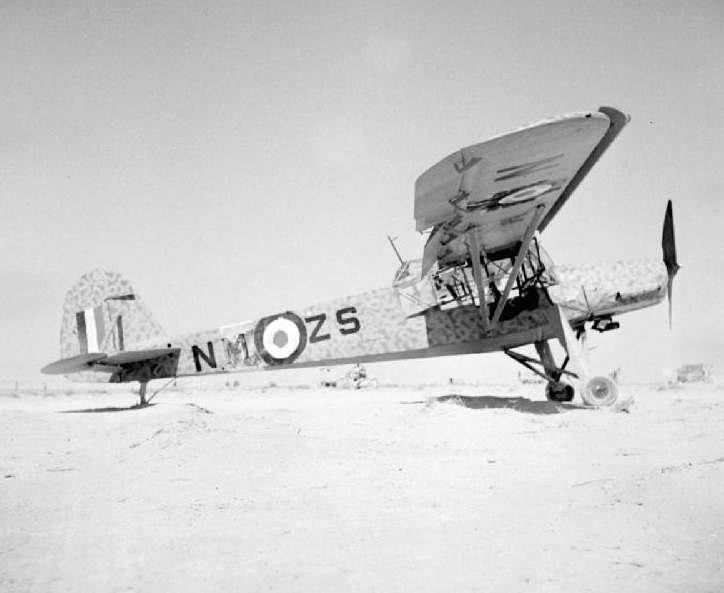
The PBY Catalina, despite its sluggish pace, was remarkably effective in combat, sinking 37 U-boats during the war. Additionally, the PZL P-7a and PZL P-23 Karas, though slower than other military aircraft, were significant as fighters and bombers. These planes demonstrated that speed isn’t always the key to success in air combat and other missions.
Impact on Major Battles
The slower planes of WWII, despite their lack of speed, often played crucial roles in major battles due to their specialized functions and unique capabilities. Their significance is evident when examining their impact on key engagements:
- Battle of Midway: The Douglas TBD Devastator, though slow, was pivotal in this decisive battle. These torpedo bombers, launched from carriers like USS Yorktown (CV-5), targeted Japanese aircraft carriers, significantly contributing to the U.S. victory.
- Bomber Escort: Slow aircraft were frequently used to escort heavy bombers on their missions. Despite their slower speed, they provided essential protection, ensuring bombers could reach their targets and return safely.
- Escort Carriers: Slow planes operating from escort carriers offered vital reconnaissance and anti-submarine warfare capabilities. Their ability to loiter in the air for extended periods made them invaluable for these tasks.
- Heavy Bombers: Heavy bombers like the PZL P.23 Karaś, despite their sluggishness, were key in major operations. They delivered payloads to strategic targets, directly influencing the outcomes of crucial battles.
These examples demonstrate that even the slowest planes had important roles, proving that speed is not the sole determinant of an aircraft’s effectiveness in battle.
Historical Legacy
Often overlooked in mainstream narratives, the slower aircraft of WWII left a profound historical legacy due to their strategic importance and unique contributions to the war effort. During the Pacific War, aircraft like the TBD Devastator were crucial despite their low top speed. They launched from carriers such as the Hornet (CV-8), Enterprise (CV-6), and Yorktown (CV-5) to attack Japanese shipping, significantly influencing naval battles.
The PBY Catalina, despite its slow speed, played a vital role in maritime patrol and anti-submarine warfare, sinking 37 U-boats. Its ability to loiter over vast ocean expanses made it indispensable. Similarly, Russian female pilots flew the Po-2/U-2 for night bombing missions, demonstrating that slow planes could be effective under the right conditions.
Aircraft like the Storch and Swordfish, though not as fast as modern fighters, were unparalleled in versatility and reliability. They undertook reconnaissance, transport, and even torpedo missions, directly impacting the war’s outcome.
These slower aircraft, each overcoming significant challenges, contributed uniquely to their respective theaters of war, solidifying their place in military history. Their legacy is a tribute to the diverse capabilities required to win a global conflict.
Conclusion
Despite their lack of speed, the slowest planes of World War II played crucial roles in various missions. Aircraft such as the Po-2, TBD Devastator, and PBY Catalina excelled in night bombing, torpedo bombing, reconnaissance, and anti-submarine warfare. Their impact on major battles and enduring legacy underscore their importance. Their versatility and reliability made them indispensable, proving that slow and steady can indeed be effective in wartime.