

The plane failures of World War II revealed significant insights into design flaws, pilot training, and technological limitations. Bomber planes, for instance, initially struggled with the added weight of armor, which made them more vulnerable. A statistical approach to reinforcement, informed by data analysis, eventually improved their durability. Comprehensive pilot training and meticulous maintenance practices further enhanced aviation safety. These wartime challenges and their solutions have had a lasting impact, shaping modern aviation standards and practices. Curious about the specific changes and their enduring influence? Let’s delve into the detailed aspects and long-term effects of these lessons.
Design Flaws and Solutions
During World War II, bomber planes faced significant design challenges due to the added weight of full-body armor, which adversely affected their flight capabilities. Initially, engineers believed that adding more armor would enhance safety, but it actually compromised maneuverability.
This misconception stemmed from survivorship bias. Engineers analyzed planes that returned from missions with bullet holes and assumed these areas needed more protection. This flawed approach could have had catastrophic consequences. The breakthrough came with the realization that planes that did not return were likely hit in different, more critical areas. By mapping the bullet holes on returning planes, engineers identified which areas were less crucial.
Instead of armoring the entire plane, they strategically reinforced only the vulnerable areas that were not hit on surviving planes. This shift from flawed to more accurate analysis saved weight and improved flight performance. Consequently, bomber planes became more resilient without sacrificing maneuverability. By correcting their initial errors, engineers transformed a significant design challenge into an effective problem-solving lesson.
Training and Pilot Proficiency
During World War II, the urgency to rapidly expand the U.S. Army Air Corps led to significant training deficiencies and accelerated schedules, resulting in the tragic loss of over 13,000 American aviators in training accidents. Pilot training programs were often shortened to meet the demands of war, causing aviation accidents due to inexperienced pilots handling complex tasks under intense pressure. Many of these young aviators had minimal flight hours, increasing the likelihood of operator errors.
The influx of over 435,000 new recruits by the end of the war strained resources, impacting both pilot proficiency and aircraft maintenance. This pressure led to more frequent mechanical failures, further heightening the risk of aviation accidents. The combination of rushed training, insufficient experience, and hurried aircraft production created a deadly mix of factors contributing to numerous training accidents.
To address these issues, the importance of thorough training and regular aircraft maintenance became evident. Ensuring pilots were proficient and well-prepared for diverse flight conditions reduced operator errors and improved overall safety. The lessons learned from these WWII experiences underscore the critical need for comprehensive training programs and meticulous maintenance to prevent future aviation tragedies.
Statistical Insights
Abraham Wald’s groundbreaking statistical approach during World War II saved countless lives by strategically reinforcing aircraft based on bullet hole patterns. By analyzing the bullet holes on returning aircraft, Wald determined that areas with fewer bullet holes were the most critical. These less-damaged sections likely represented spots where hits resulted in aircraft loss, preventing their return.
Wald’s insights into survivorship bias revealed that focusing only on visible damage could lead to flawed decisions. He advised reinforcing the areas with minimal visible damage on surviving planes, as hits to these areas often resulted in downed aircraft.
The lessons from Wald’s analysis can be summarized in three key points:
- Holistic Data Review: Consider both surviving and missing data for informed decision-making.
- Strategic Armor Placement: Reinforce parts of the aircraft that appear less damaged but are crucial for survival.
- Challenging Assumptions: Question conventional wisdom to uncover hidden patterns.
Wald’s statistical reasoning significantly improved bomber crew survival rates during World War II, demonstrating how data-driven insights can lead to better outcomes. His approach underscores the importance of learning from both successes and failures.
Technological Advancements
Technological advancements during World War II fundamentally reshaped warfare and laid the groundwork for future innovations. The era saw significant progress in military aircraft technology, leading to the development of advanced fighter planes capable of reaching higher speeds and altitudes. To achieve air superiority, production facilities massively scaled up to meet the demand for these state-of-the-art aircraft.
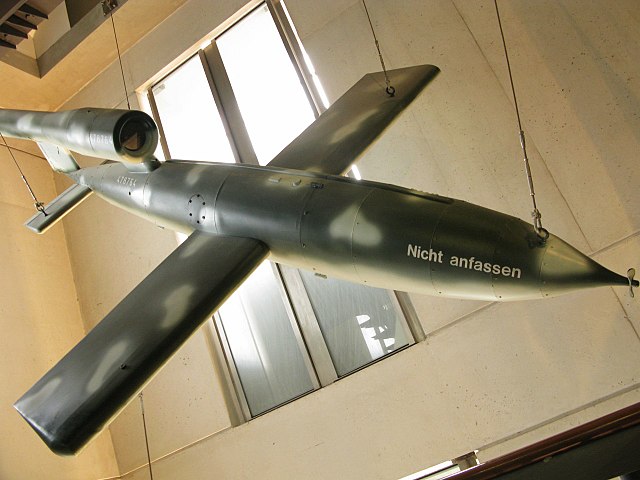
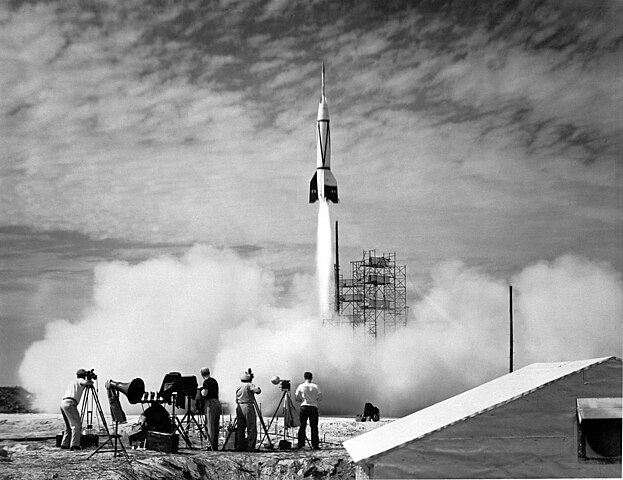
Germany’s introduction of the V-1 flying bombs and V-2 rockets marked a pivotal shift in warfare tactics, pioneering the concept of remote warfare by enabling strikes on distant targets without direct human involvement. This era foreshadowed the future of combat.
In response, the United States and its allies focused on enhancing their aircraft capabilities to counter these new threats. The rapid advancements in fighter planes and bombers necessitated sophisticated production facilities capable of manufacturing these machines at an unprecedented scale. The intense wartime effort pushed technological boundaries, setting the stage for post-war advancements.
Lessons for Modern Aviation
The lessons learned from the numerous aviation accidents during WWII have significantly enhanced modern aviation in terms of pilot training, aircraft design, and operational safety. These hard-earned insights have shaped today’s practices, focusing on preventing mechanical failures, human errors, and addressing environmental factors.
Modern aviation places unprecedented emphasis on pilot training. Rigorous and continuous training programs ensure that pilots can handle various scenarios, thus reducing the risk of accidents. Additionally, aircraft maintenance standards have seen dramatic improvements. Mandatory regular and thorough checks ensure all components are in optimal condition before takeoff. Furthermore, safety protocols have become more comprehensive. From pre-flight inspections to in-flight safety procedures, each step is meticulously designed to mitigate risks.
- Pilot Training: Enhanced programs focus on both technical skills and decision-making under pressure.
- Aircraft Maintenance: Regular, stringent inspections guarantee mechanical reliability.
- Safety Protocols: Comprehensive procedures address all potential risks, from pre-flight to landing.
Advancements in aviation technology have also played a crucial role, providing more reliable and efficient systems. The lessons from the WWII era continue to resonate, driving ongoing improvements in operational safety and setting the standard for future innovations in the aviation industry.
Conclusion
World War II’s plane failures led to significant advancements in aviation by highlighting critical areas for improvement. Addressing design flaws, enhancing pilot training, and utilizing statistical analysis were key lessons learned. These insights have shaped modern aviation practices, emphasizing safety and efficiency. Today, ongoing technological advancements and rigorous maintenance protocols ensure safer skies. The legacy of these lessons has made contemporary aviation more reliable and advanced than ever before.