

The Museum of the Liberation of Paris captures the city’s journey from Nazi occupation to freedom in August 1944. You’ll discover how Parisians endured four years of occupation while resistance fighters like Jean Moulin organized underground. The museum features personal artifacts, an authentic underground command post, and multimedia exhibits chronicling General Leclerc’s triumphant arrival.
Beyond military strategy, you’ll understand how this pivotal moment restored French identity and sovereignty after years of oppression.
Image: Besopha, L’entrée du musée Jean Moulin, Paris, CC BY-SA 3.0
Paris Under Occupation: Daily Life and Resistance
While the romantic image of Paris typically evokes notions of art, culture, and café life, the city’s darkest chapter unfolded during the German occupation of World War II. As you’ll discover, daily life transformed under Nazi Germany’s control—constant sirens, bombings, severe food shortages, and a paralyzed transportation system defined Parisians’ existence.
Yet amid this oppression, brave citizens like Jean Moulin organized French Resistance networks, fighting alongside military leaders like General Leclerc. Their defiance culminated in August 1944, when Parisians rose against German forces, erecting barricades and tearing up streets. These resistance fighters captured fleeing Germans, contributing to the garrison’s surrender.
The Paris liberation represented more than freedom—it symbolized national redemption and paved the way for Charles de Gaulle’s leadership in post-war France. The Parisians’ uprising echoed Warsaw’s resistance where Operation Tempest created a strategic opening against Nazi occupation as Soviet forces approached the Polish capital.
Heroes of the Liberation: Jean Moulin and General Leclerc
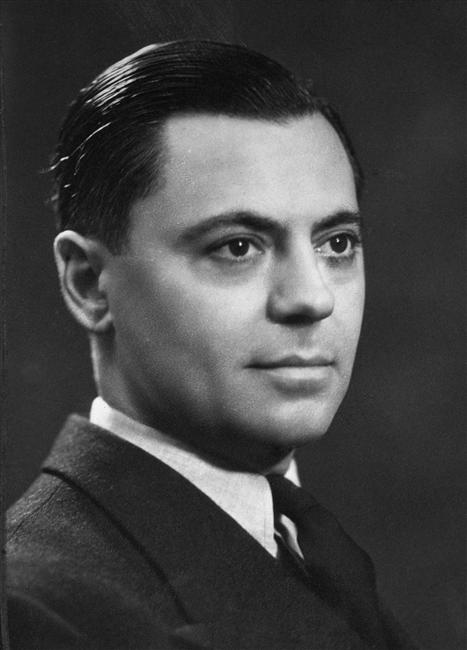
Though separated by circumstance and never crossing paths, Jean Moulin and General Philippe Leclerc emerged as the twin pillars of France’s liberation movement.
Moulin, tasked by de Gaulle with unifying the French Resistance against Nazi occupation, worked tirelessly behind enemy lines. At the museum, you’ll find his personal effects—skis, artistic pastels, and microfiched orders from his commander.
Meanwhile, Leclerc led the Free French forces that ultimately liberated Paris in 1944. His walking cane, Moroccan burnous, and British identity papers tell the story of a military strategist whose 2nd Armored Division brought freedom to the capital’s streets.
These artifacts powerfully illustrate how two men, working toward the same goal from different fronts, helped orchestrate France’s return to liberty. Both men served under Charles de Gaulle, whose June 18, 1940 radio broadcast from London had galvanized the French resistance against the Nazi occupation.
The Path to Freedom: Chronology of Paris’s Liberation
As you move through the museum’s timeline exhibits, Paris’s journey from occupation to liberation unfolds in stark detail. You’ll trace the city’s transformation from the dark days of German Occupation that began in 1940 to the triumphant Liberation of Paris in August 1944.
The chronology highlights how the success of the Normandy landings emboldened the French Resistance to intensify their actions. You’ll discover how General Leclerc’s 2nd Armored Division advanced toward Paris while citizens rose up against their occupiers from August 19-26. The D-Day invasion’s unprecedented scale with Operation Overlord’s forces of 160,000 troops landing on Normandy beaches created the momentum that eventually led to Paris’s liberation.
The exhibits culminate with General de Gaulle’s victorious arrival, marking France’s first steps toward restored sovereignty. This pivotal World War II moment didn’t just free the capital—it replaced the Vichy regime and became an enduring symbol of French resilience against tyranny.
Inside the Museum: Highlights and Notable Exhibits
Once you step into the Museum of the Liberation of Paris, you’ll discover a rich tapestry of exhibits that bring the city’s WWII story to life. Room 7 immerses you in Resistance hero Jean Moulin’s world through authentic artifacts from his Paris apartment, showcasing the courage of those who fought Nazi occupation.
In Room 8, you’ll face the determined gazes of General Leclerc’s Free French Second Armored Division soldiers from powerful portrait displays. Their counterparts in Room 9 are represented through personal items carried during the Normandy landings.
Don’t miss the atrium’s audiovisual installation reliving the dramatic liberation events of August 25-26, 1944, when Allied troops and Resistance fighters freed Paris. For a truly immersive experience, explore the original underground command post using the “mixed reality” headset tour.
The Underground Command Post: A Hidden Wartime Relic
Perhaps the most extraordinary feature of the museum lies beneath your feet. Descending a steep staircase, you’ll discover a perfectly preserved subterranean command post where Resistance fighters coordinated with General Leclerc’s French 2nd Armored Division during the Paris liberation in August 1944.
This remarkable space, which housed an essential telephone exchange and cycle-powered generator, nearly vanished from history—the Allies initially considered Paris of little strategic value.
Today, innovative mixed reality headsets transport you to those pivotal days when France reclaimed its capital after years of Occupation.
The command post represents a fundamental moment in French history, connecting de Gaulle’s vision with the reality of liberation. Note that access is limited and unfortunately not suitable for visitors with mobility restrictions.
Visitor Experience: Tours and Resources
The museum rolls out several options to enrich your visit, catering to different preferences and schedules. While exploring the General Leclerc Museum and General de Gaulle’s legacy from the Second World War, you’ll find both free self-guided tours and paid French-guided options through the permanent collections.
Download the free “Visit Companion” app for two audio tours – an extensive experience or a focused journey through key figures like Philippe de Hauteclocque (du Général Leclerc). The new museum tells Paris’s liberation story bilingually through artifacts, documents, and multimedia exhibits.
Don’t miss the underground command post that served the Resistance near place De La Concorde. You can explore this War relic through either a self-guided tour or the innovative mixed reality experience (free but requires reservation and isn’t recommended for children under 14).
The Legacy of Liberation: Impact on Modern French Identity
After experiencing the physical spaces of resistance at the museum, you’ll understand how August 1944’s events extend far beyond historical documentation. When Paris was liberated by French troops and Leclerc’s 2nd Armored Division, they secured more than just territory—they reclaimed national identity.
De Gaulle’s famous “Paris liberated” speech symbolizes the rebirth of French sovereignty. General Dietrich von Choltitz’s decision not to destroy Paris would preserve the city as the cultural heart of resistance. Communications equipment used by the resistance remains a record of ordinary citizens’ extraordinary courage.
The liberation of France began a national reckoning with Vichy collaboration. Liberated Paris became both a physical and symbolic space where modern Republican values were reaffirmed.
This pivotal moment continues shaping French citizens understand their nation’s resilience and democratic traditions.