

Before he became a Hollywood icon known for his tough-guy roles, Lee Marvin was a real-life war hero. Long before the bright lights and cameras, he faced the brutal reality of World War II as a young Marine in the Pacific. His time on the battlefield left deep physical and emotional scars—but also shaped the no-nonsense persona that made him a star. This article takes a closer look at how Marvin’s wartime experiences influenced his life, career, and unforgettable presence on screen.
Key Takeaways
- Lee Marvin enlisted in the Marine Corps in 1942, driven by WWII and his father’s military legacy.
- He served as a scout sniper, participating in 21 amphibious assaults, and was severely wounded in the Battle of Saipan.
- Marvin’s wartime injuries and experiences earned him a Purple Heart and influenced his tough acting persona.
- After the war, he faced challenges adjusting to civilian life and used the G.I. Bill to study acting.
- Marvin became a Hollywood star, known for gritty roles, winning an Oscar for “Cat Ballou” in 1965.
The Path to Enlistment: A Young Man’s Decision
Although Lee Marvin’s upbringing in New York City was turbulent, it fueled his adventurous spirit. At just 18, he dropped out of high school and chose military service, surprising his family by enlisting in the United States Marine Corps on August 12, 1942. This decision was driven by the global conflict of World War II and the shocking attack on Pearl Harbor, which stirred his sense of duty.
Marvin’s enlistment was a bold move, aligning with his desire to serve like his father, a World War I captain. He completed basic training at Parris Island and New River Marine Base, then joined the 4th Marine Division. Here, he prepared for the challenges of combat, channeling his restless energy into a meaningful cause.
During this period, the USAAF’s strategic bombing campaigns were significantly weakening Axis military capabilities, showcasing the broader military efforts and advancements that Marvin was part of during the war.
Life as a Marine: Training and Combat
View this post on Instagram
Upon enlisting in the United States Marine Corps, Lee Marvin faced the rigorous demands of military training head-on. As a young recruit, he accepted the grueling regimen at Parris Island and New River Marine Base, honing skills essential for survival in WWII.
Shifting to the role of scout sniper in the 4th Marine Division, Marvin’s combat training prepared him for the harsh realities of war. He participated in 21 amphibious assaults, with intense combat experiences, particularly during the Battle of Kwajalein.
At the Battle of Saipan, he sustained severe injuries, earning a Purple Heart and other military decorations. His 13-month recovery in naval hospitals forged a resilience and authenticity that would later define his Hollywood roles. Similar to World War 2 pilots, Marvin’s training emphasized the importance of physical fitness and the ability to make swift decisions under pressure.
The Battle of Saipan: A Defining Moment
As one of the vital battles in the Pacific Theater, the Battle of Saipan in June 1944 marked a defining moment in Lee Marvin’s life. You can imagine the chaos as Marvin’s company faced an ambush, reducing the unit from 247 men to just six in 15 minutes. A machine-gun round severely wounded Marvin, leaving a significant injury in his lower back and a nine-by-three-inch hole in his buttocks, almost hitting his spinal cord.
His bravery during World War II earned him the Purple Heart, a tribute to the military honors recognizing his injuries. These harrowing experiences deeply influenced his persona, fueling the authenticity and intensity he later brought to his Hollywood acting career. Marvin’s courage truly defined him. The Royal Air Force played a significant role in World War II, exemplifying the importance of air divisions in the conflict.
Transitioning From Soldier to Civilian: Post-War Challenges
When Lee Marvin returned from the war and was discharged from the Marine Corps on July 24, 1945, he entered a world that felt strangely unfamiliar. The shift from soldier to civilian life was marked by bewilderment and depression, emotions many veterans faced. Marvin initially tried to rejoin the Marine Corps but ended up working odd jobs, like being a plumber’s assistant, as he sought direction.
The G.I. Bill became a lifeline, allowing him to study acting at the American Theatre Wing. This newfound passion eased his adjustment and helped him find authenticity in his craft. Marvin’s wartime experiences deeply influenced his roles, and although Hollywood success followed, the impact of those days never truly left him.
From War Hero to Hollywood Icon: Lee Marvin’s Acting Career
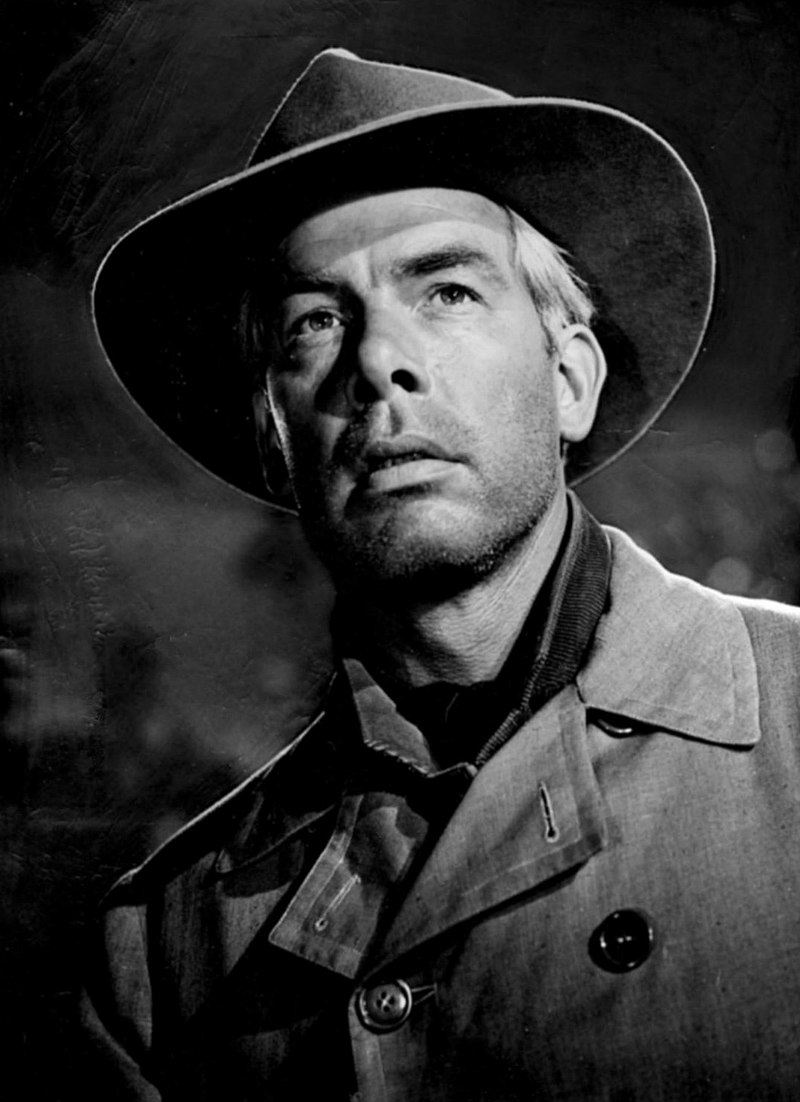
Stepping from the battlefield to the stage, Lee Marvin’s shift to acting was an odyssey shaped by resilience and grit. After his military service in World War II, Marvin utilized the G.I. Bill to study acting at the American Theatre Wing, launching his acting career in off-Broadway productions.
His military background lent authenticity to his performances, debuting in Hollywood with “You’re in the Navy Now” (1951). Marvin’s portrayal of tough, gritty characters, influenced by his combat veteran status, gained attention in war films like “The Dirty Dozen” (1967).
He achieved widespread fame and an Academy Award for Best Actor for his role in “Cat Ballou” (1965). Marvin continued to amplify military realism, even training fellow actors in weaponry.