

In its early years, the Luftwaffe appeared formidable, boasting 4,201 operational aircraft by 1939. Their swift victories in Poland and France suggested an unstoppable air power. However, as the war progressed, resource shortages, heavy pilot losses, and strategic missteps began to erode their effectiveness. What precisely went wrong, and how did these issues shape the Luftwaffe’s fate? The answers reveal a story of initial dominance followed by an eventual decline that merits closer scrutiny.
Formation and Early Development
The Luftwaffe was officially established on February 26, 1935, but its origins are traced back to covert projects that circumvented the Treaty of Versailles. From the outset, the Luftwaffe emphasized air superiority and tactical support for ground forces rather than strategic bombing. This focus was articulated in Luftwaffe Regulation 10 (1934), which prioritized air superiority and ground attack tactics, shaping its operational approach.
By the summer of 1939, the Luftwaffe had expanded significantly, comprising twenty-eight Geschwader (wings) and a personnel strength of 373,000. Its fleet included 4,201 operational aircraft, such as 1,191 bombers and 788 fighters. These numbers underscored its commitment to maintaining air superiority and supporting tactical operations on the battlefield.
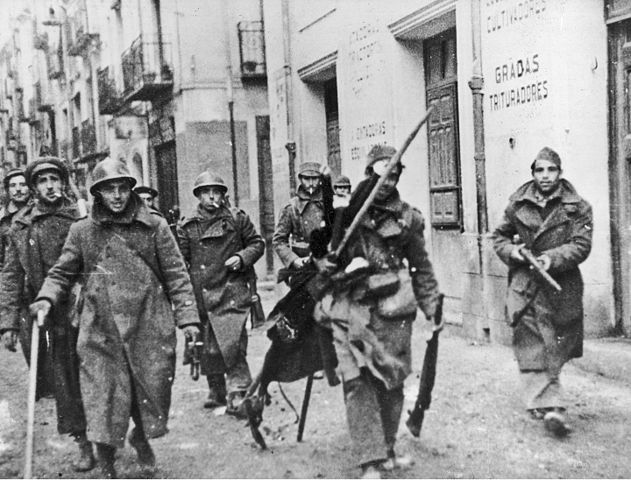
The Condor Legion’s participation in the Spanish Civil War provided invaluable combat experience for over 20,000 German airmen. This experience significantly influenced Luftwaffe tactics, demonstrating the effectiveness of their aircraft and operational strategies in real combat conditions. The lessons learned in Spain helped refine the Luftwaffe’s approach, preparing it well for the initial campaigns of World War II. By concentrating on air superiority and tactical support, the Luftwaffe aimed to dominate the skies and provide critical support to German ground forces.
Tactical and Operational Focus
As the Luftwaffe evolved, its tactical and operational focus became clear: achieving air superiority and providing ground support were paramount. From the outset, the development of the Luftwaffe emphasized these elements, aligning with Germany’s continental ambitions. Luftwaffe Regulation 10, introduced in 1934, prioritized air superiority through ground attack tactics. This regulation shaped its operational strategies in later campaigns, ensuring effective support for the German Army.
By the summer of 1939, the Luftwaffe had expanded to twenty-eight Geschwader (wings) and a paratrooper force, with 4,201 operational aircraft ready for World War II. Early successes, such as the rapid air superiority achieved during the Polish Campaign, underscored the effectiveness of their tactical coordination. In just five weeks, the Luftwaffe demonstrated its capability in both air superiority and ground support, significantly aiding the German Army.
However, the operational focus shifted during the Battle of Britain. The Luftwaffe’s strategic bombing efforts failed to secure air superiority, exposing the limitations of moving from tactical to strategic operations. Despite previous successes, this change revealed the challenges the Luftwaffe faced when deviating from its initial tactical and operational strengths.
Role in Spanish Civil War
Understanding the essential role of the Luftwaffe in the Spanish Civil War, particularly through the Condor Legion, is crucial. Over 20,000 German airmen and approximately 100 aircraft provided critical air support to Franco’s forces. Their actions, such as the bombing of Guernica, caused international outrage due to the high civilian casualties. This conflict not only gave German pilots invaluable combat experience but also exposed logistical challenges that would later influence World War II campaigns.
Condor Legion’s Combat Experience
The Condor Legion, a collaboration between Nazi Germany and Francisco Franco’s Nationalist forces, played a crucial role in the Spanish Civil War from 1936 to 1939. This involvement allowed the Luftwaffe to gain invaluable combat experience, particularly in tactical bombing—skills that would later prove essential in World War II. Over 20,000 German airmen participated in numerous combat operations, refining their strategies and techniques.
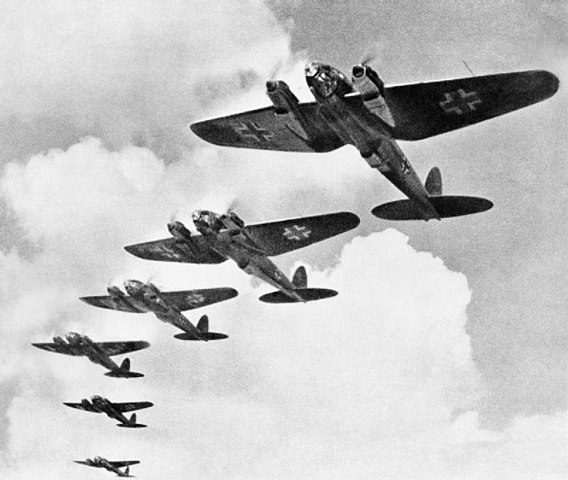
Key aircraft such as the Heinkel He 111 and the Junkers Ju 87 Stuka were instrumental in the Legion’s bombing campaigns against Republican forces. These planes showcased their effectiveness in tactical bombing missions, cementing their roles in the Luftwaffe’s future operations. The Condor Legion’s activities served as a testing ground for these aircraft and their bombing tactics.
The bombing of Guernica on April 26, 1937, highlighted the destructive capabilities of the Luftwaffe’s tactical air power, resulting in significant civilian casualties and widespread destruction. This event underscored the Legion’s impact and foreshadowed the Luftwaffe’s early successes in World War II, particularly in securing air superiority during the invasions of Poland and France. The combat experience gained in Spain proved invaluable for the Luftwaffe’s future operations.
Civilian Casualties and Protests
During the Spanish Civil War, the Luftwaffe’s aggressive bombing tactics led to significant civilian casualties, drawing widespread international protests. The Condor Legion, comprising over 20,000 German airmen, supported Francisco Franco’s forces with devastating Luftwaffe operations. One of the most infamous attacks was on Guernica, where the bombing resulted in about 1,600 civilian deaths. This event starkly highlighted the indiscriminate nature of their bombing tactics.
The Luftwaffe’s operations in Spain included the use of Stuka dive bombers, notorious for their precision in attacking both military and civilian targets. The bombing of Guernica became a symbol of the Luftwaffe’s brutality, as the town was nearly obliterated, leading to massive international protests and condemnation. The world was horrified by the sheer scale of civilian casualties, and the attack on Guernica was widely covered in the international media.
These bombing tactics not only showcased the Luftwaffe’s strength but also served as a precursor to their strategies in World War II. The deliberate targeting of civilian populations in Spain foreshadowed the similar, devastating tactics they would employ across Europe, further cementing the Luftwaffe’s fearsome reputation.
World War II Campaigns
At its peak in 1943, the Luftwaffe wielded formidable strength with 4,201 operational aircraft, including 1,191 bombers and 788 fighters. This air power posed a significant threat to Allied operations throughout various World War II campaigns.

In the Battle of Britain in 1940, the Luftwaffe aimed to destroy the Royal Air Force (RAF) to pave the way for a German invasion. Despite deploying significant resources, the Luftwaffe ultimately failed to achieve air superiority due to the relentless efforts of the RAF.
During the Invasion of France in May 1940, the Luftwaffe deployed:
- 1,815 combat aircraft
- 487 transport aircraft
- 50 glider aircraft
These deployments allowed the Luftwaffe to quickly achieve air superiority over the Dutch and Belgian air forces.
From 1941 to 1943, the Luftwaffe supported ground operations in North Africa, providing essential air cover for General Rommel’s Afrika Korps. However, resource shortages and increasing Allied pressure gradually diminished its effectiveness.
Leadership and Command Structure
Hermann Göring, as the primary commander-in-chief of the Luftwaffe, significantly influenced its rapid expansion and development from 1935 to 1940. Under his leadership, the Luftwaffe’s command structure was organized into four Luftflotten (air fleets), facilitating effective deployment across various theaters of war. In 1940, Luftflotte 5 was specifically established for operations in Norway and Denmark.
The dynamics within the Luftwaffe’s leadership changed notably after the death of Walther Wever in June 1936. Key leaders such as Albert Kesselring and Ernst Udet assumed pivotal roles, which shaped the operational strategies impacting the Luftwaffe’s wartime effectiveness. The Reich Aviation Ministry (RLM), founded in April 1933, bolstered the command hierarchy by managing aircraft development and maintaining bureaucratic oversight.
As the war progressed, leadership changes continued, culminating in Robert Ritter von Greim’s appointment as the final commander-in-chief during the war’s closing weeks. These changes reflect the evolving challenges the Luftwaffe encountered.
Key leadership changes include:
| Year | Key Leader |
|---|---|
| 1935 | Hermann Göring |
| 1936 | Albert Kesselring |
| 1940 | Establishment of Luftflotte 5 |
| 1945 | Robert Ritter von Greim |
Understanding the leadership and command structure is essential to comprehending the Luftwaffe’s operational dynamics.
Aircraft and Technological Advancements
The Luftwaffe’s initial strength was bolstered by advanced aircraft models like the Heinkel He 111 bomber and the Bf 109 fighter, leading to early successes. However, despite these innovations, they faced significant limitations that hindered sustained operations.
Key Luftwaffe Aircraft Models
The Luftwaffe’s strength during World War II was significantly bolstered by its innovative and adaptable aircraft, which played crucial roles on various fronts. These models were instrumental in defining the Luftwaffe’s strategic and tactical effectiveness, enabling them to conduct a wide range of missions with precision.
Consider the Heinkel He 111, a key medium-range bomber extensively used during the Battle of Britain. Despite its limitations in heavy bombing, it demonstrated considerable versatility. Another pivotal model was the Messerschmitt Bf 109, one of the most successful and iconic fighters of the Luftwaffe. With over 33,000 units produced, it served as the backbone of the German fighter force throughout the war.
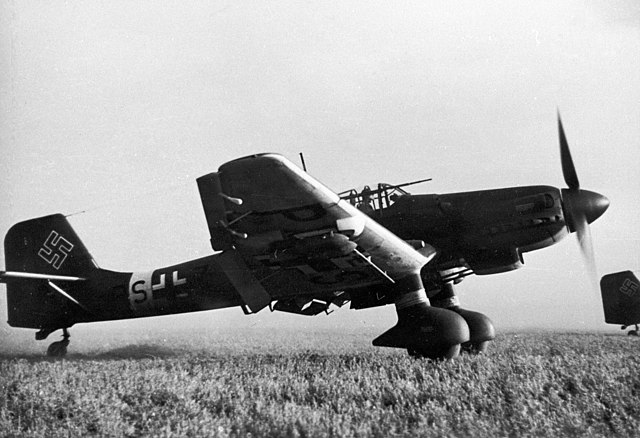
Other notable aircraft include:
- Junkers Ju 87 Stuka: A precision dive-bomber that was crucial in early campaigns but became less effective as the war progressed.
- Focke-Wulf Fw 190: Introduced in 1941, this aircraft enhanced the Luftwaffe’s capabilities with its advanced design, proving to be a formidable opponent to Allied bombers and fighters in various combat roles.
These aircraft models collectively formed the core of the Luftwaffe’s air power, enabling them to execute diverse and complex missions across multiple theaters of war.
Technological Innovations and Limitations
The Luftwaffe’s aircraft, renowned for their advanced design and effectiveness, also faced significant technological limitations that hindered their collective performance during World War II. In 1943, at its peak, the Luftwaffe had 4,201 operational aircraft, including 1,191 bombers and 788 fighters. Key aircraft like the Heinkel He 111 served as the primary German bomber, while the Bf 109 and FW-190 fighters were celebrated for their combat prowess.
Technological advancements enabled the development of specialized aircraft such as the Stuka dive bomber, known for its precision in ground attack missions. However, the Luftwaffe’s lack of heavy bombers severely limited its strategic bombing capabilities, reducing its effectiveness against well-defended targets and its ability to cripple enemy infrastructure.
Operational challenges further compounded these issues. Insufficient ground-to-air control and repair facilities led to prolonged downtimes for damaged aircraft. Additionally, as casualties mounted, the Luftwaffe experienced a shortage of experienced pilots, further degrading its operational effectiveness. Despite impressive aircraft production and technological advancements, these limitations ultimately constrained the Luftwaffe’s overall impact during the war.
Luftwaffe’s Strength in Numbers
By the summer of 1939, the Luftwaffe’s formidable strength was evident, with a total of 4,201 operational aircraft, including 1,191 bombers and 788 fighters. This powerful air fleet set the stage for the Luftwaffe’s early dominance in World War II. The aircraft were organized into twenty-eight Geschwader (wings) for efficient coordination and deployment across various theaters.
During early campaigns like the invasion of Poland, the Luftwaffe quickly established air superiority, demonstrating its numerical and tactical prowess. Experienced fighter pilots and advanced aircraft models such as the ME-109 and FW-190 played crucial roles in these victories.
Challenges and Setbacks
The Luftwaffe encountered significant challenges and setbacks that severely hindered its effectiveness. Critical shortages of petroleum and lubricants restricted their operations, while strategic limitations became apparent in key battles such as the Battle of Britain and the Battle of the Bulge. Additionally, continuous Allied bombing campaigns depleted their experienced pilots and resources, leading to a steady decline in operational capacity.
Resource Shortages
By 1942, the Luftwaffe’s operational effectiveness was critically impaired due to severe resource shortages. Substantial losses and the dwindling availability of aircraft, fuel, and experienced personnel significantly hampered its performance. The scarcity of petroleum and lubricants resulted in a drastic curtailment of flight hours and maintenance capabilities, severely impacting aircraft readiness.
The challenges can be visualized through:
- Grounded aircraft: The shortage of fuel forced many planes to remain idle, reducing the Luftwaffe’s operational capacity.
- Limited maintenance: Insufficient lubricants and spare parts made aircraft maintenance almost impossible, leading to a decline in operational readiness.
- Struggles for bombers: The critical shortage of heavy bombers diminished strategic bombing capabilities, preventing the Luftwaffe from effectively targeting key enemy positions.
Strategic Limitations
The Luftwaffe faced significant strategic limitations, particularly in adapting its aircraft for long-range strategic bombing, essential for multiple campaigns. Their designs were primarily optimized for close-support missions, limiting their effectiveness in broader strategic objectives. This shortcoming became glaringly evident during the Battle of Britain, where the Luftwaffe’s inability to sustain a prolonged bombing campaign due to insufficient aircraft reserves and supply issues resulted in high attrition rates and decreased combat readiness.
Additionally, the Luftwaffe experienced severe shortages of experienced aircrew. Heavy pilot losses, especially in the early years of the war, meant that even when aircraft were available, there often weren’t enough skilled pilots to operate them effectively. This significantly hampered their operational capabilities. Initial successes in Poland and France were overshadowed by cumulative losses, with 1,428 aircraft destroyed during the French campaign alone.
Decline and Defeat
As World War II progressed, the decline of the Luftwaffe became increasingly evident from 1942 onward due to overwhelming Allied forces and crippling resource shortages. These issues severely impacted its operational effectiveness, leading to substantial losses in both aircraft and personnel. By the time of the Battle of the Bulge in December 1944, their last major attempt to regain air superiority ended in failure.
- Crumbling infrastructure: Fuel and lubricant shortages led to grounded aircraft and idle pilots.
- Mounting losses: Over 75,000 aircraft were destroyed or damaged throughout the conflict.
- Desperate offensives: The Battle of the Bulge exemplified futile attempts to change the course of the war.
Despite claiming approximately 70,000 aerial victories, the Luftwaffe couldn’t sustain its initial momentum. Diminishing supplies, particularly of petroleum and lubricants, critically hindered its ability to conduct sustained operations. Examining the later stages of the war reveals that the Luftwaffe’s operational effectiveness was in steep decline.
Involvement in War Crimes
Examining the Luftwaffe’s history reveals its significant involvement in war crimes during World War II. The Luftwaffe’s extensive aircraft production was tragically linked to concentration camps, where tens of thousands of prisoners endured brutal conditions. This forced labor played a role in the deportation and murder of approximately 437,000 Hungarian Jews during the Holocaust in 1944.
Their war crimes included aggressive bombing campaigns that targeted non-military sites, resulting in massive civilian casualties. This strategy was evident during the Spanish Civil War and was intensively employed throughout World War II. Indiscriminate bombing tactics, especially post-1942, led to widespread destruction and immense suffering across Europe.
Moreover, the Oberkommando der Luftwaffe organized human experimentation as part of the broader Nazi war efforts, further underscoring their complicity in war crimes. These actions reveal that the Luftwaffe’s war efforts were marred by severe ethical violations and brutal warfare tactics. Understanding this aspect of the Luftwaffe provides a fuller, grimmer picture of their operations during the war.