

You’ll find the WASP program’s female pilots were true trailblazers, becoming the first women to fly American military aircraft in 1943. Despite ill-fitting equipment and harsh conditions, these fearless aviators ferried over 50% of all U.S. combat planes during WWII, covering 60 million miles and transporting 12,650 aircraft. While 38 pilots lost their lives serving their country, their pioneering accomplishments opened doors for generations of women in military aviation, and their story continues to inspire.
Key Takeaways
- WASP pilots flew over 60 million miles and delivered 12,650 military aircraft during WWII, proving women’s capabilities in military aviation.
- Despite facing ill-fitting equipment and harsh conditions, these women became the first female pilots to fly American military aircraft.
- WASP members ferried over 50% of all combat planes within the United States during World War II.
- 38 WASP pilots made the ultimate sacrifice, yet were denied military honors and benefits until decades later.
- The program’s success paved the way for women in military aviation, leading to their recognition with the Congressional Gold Medal.
The Birth of WASP: Breaking Gender Barriers in Military Aviation
The wartime skies of 1943 witnessed a pioneering shift as the Women Airforce Service Pilots program shattered long-standing gender barriers in military aviation. You’ll find that these extraordinary women pilots had to meet strict requirements, including a minimum height of 5’2″ and at least 200 hours of flight experience, to join this innovative Air Force initiative.
At Avenger Field in Sweetwater, Texas, over 1,100 WASP recruits tackled the same rigorous training as their male counterparts in the military. They’d become the first women to fly American military aircraft, ferrying over half of all combat planes within the U.S. during World War II.
While the program ended abruptly in 1944 without granting them military status, these trailblazers finally received veteran recognition in 1977 and the Congressional Gold Medal in 2010. These dedicated pilots logged 60 million flight miles during their service, demonstrating their exceptional skill and commitment to the war effort.
Training and Challenges at Avenger Field
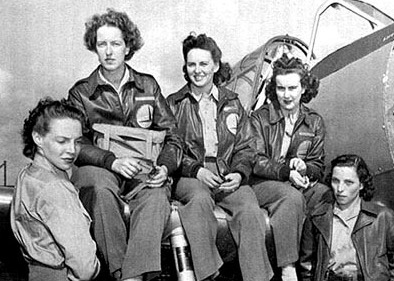
Every WASP trainee faced grueling challenges at Avenger Field, where they controlled the same intensive pilot curriculum as male aviators. As civilian volunteers for the United States Army Air Forces, these women pilots had to overcome significant obstacles, including ill-fitting equipment like parachutes that weren’t designed for their smaller frames.
The Flight training program at Avenger Field was unforgiving, claiming the lives of 11 WASP members during training and 27 more during missions. Yet these brave aviators persevered, commanding every aircraft in the military arsenal alongside their male counterparts.
Key challenges included:
- Meeting the strict 5’2″ minimum height requirement
- Flying without properly fitted safety equipment
- Transporting fallen colleagues home while continuing their essential mission
The dedication of these extraordinary women forever changed the character of military aviation. Unlike their male counterparts who had access to Irvin sheepskin jackets and properly fitted flight suits, these women often flew without adequate cold-weather protection at high altitudes.
Missions and Achievements: Beyond the Expected
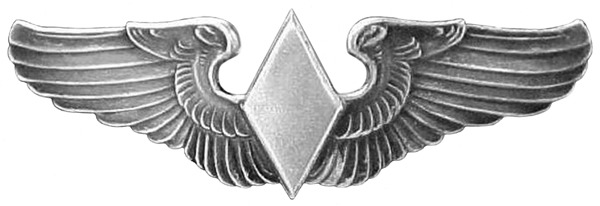
Despite their training hardships, WASP pilots soared far beyond expectations, ferrying over 50% of America’s combat aircraft during WWII. Under the leadership of Jacqueline Cochran and Army Air Corps General Henry “Hap” Arnold, these Women’s Airforce Service Pilots proved their worth at 126 bases across the nation.
You’d be amazed to learn they didn’t just fly planes from point A to point B. These fearless aviators towed targets for combat training and served as instrument instructors for male pilots. They accomplished this while facing physical limitations and ill-fitting equipment. Their dedication led to an impressive 60 million miles flown and 12,650 aircraft delivered. Tragically, 38 WASP pilots lost their lives serving their country – their ultimate sacrifice carried home by their sister pilots.
Like their Soviet counterparts who flew the Night Witches Chariot, these women pilots demonstrated exceptional courage and skill in breaking gender barriers in military aviation.
Untold Stories of Sacrifice and Loss
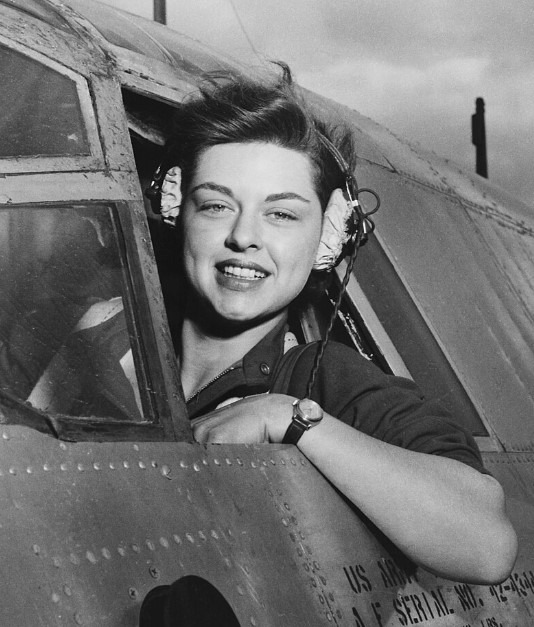
Hidden beneath the triumphs of WASP achievements lies a sobering reality: thirty-eight brave women pilots gave their lives for their country during World War II. Despite serving alongside their male counterparts in the Women Airforce Service Pilots program, these American women weren’t granted military status or benefits. When women died in service, their families bore the burden alone.
The Army denied military honors, forcing fellow WASP members to transport their fallen sisters home. Ill-fitted equipment, including parachutes designed for male pilots, increased the risks for women flying every type of military aircraft.
It wasn’t until 2010 that these sacrifices received proper recognition when President Obama signed legislation awarding WASP the Congressional Gold Medal, honoring both the living and the last WASP training class graduates who’d passed away.
These dedicated aviators performed critical missions, including ferrying military aircraft from manufacturing facilities to military bases across the country.
A Legacy That Shaped Modern Aviation History
The pioneering achievements of WASP pilots and their international counterparts reshaped aviation’s future in ways they couldn’t have imagined during wartime. As Airforce Service Pilots, they proved women could excel in roles previously reserved for male pilots, logging over 60 million miles and transporting more than 12,650 aircraft.
From the Women’s Flying Training Detachment to the Auxiliary Ferrying Squadron, these trailblazers shattered gender stereotypes and paved the way for future generations in air warfare. You’ll find their impact reverberates today in the US military, where women now serve in combat roles that were once unthinkable.
The 2010 Congressional Gold Medal and veterans status recognition validated what you’ve always known: WASP pilots weren’t just wartime necessities—they were revolutionary forces who forever changed military aviation’s terrain.