What Happened to Most of the Bodies in WW2?

Nearly two million American soldiers died in WWII, but how their bodies were handled remains a fascinating untold story.

Nearly two million American soldiers died in WWII, but how their bodies were handled remains a fascinating untold story.

In WWII galleys, Navy cooks transformed basic ingredients into morale-boosting meals that would forever change how America’s military ate.

Gripping statistics reveal how nationality and combat zones dramatically influenced whether WWII pilots would make it home alive.

You won’t believe the everyday items Americans couldn’t freely buy during WWII, from sugar and coffee to rubber and bobby pins.

Navy men and soldiers had mixed feelings about bully beef in wartime, but this controversial canned meat became more than just rations.

Between desperate wartime demands and high casualty rates, discover why RAF fighter pilots’ average age of 22 held deadly consequences.

Origins of the “K” in K-rations trace back to one man’s laboratory kitchen, forever changing how soldiers survived on the battlefield.
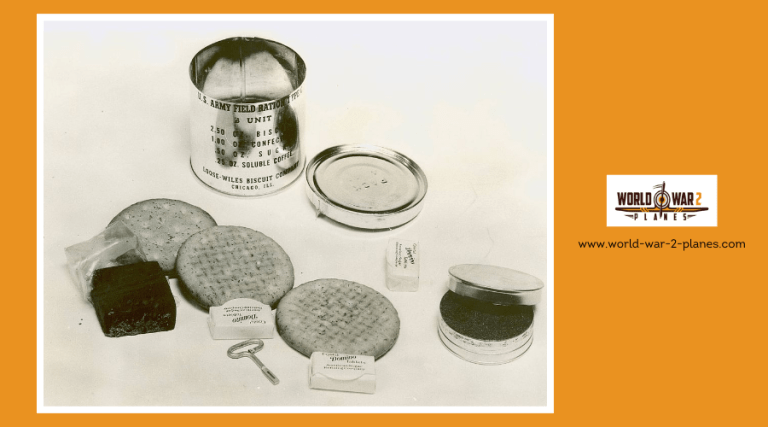
Military C-rations may be discontinued, but modern reproductions and collectible options let you experience these historic combat meals firsthand.

In World War II, K-rations came with an unexpected essential item that shaped military culture and sparked controversy for decades.

These mammoth six-engine warbirds dominated WWII skies with their incredible size and capabilities, but their untold stories reveal even more.

Combat eluded the P-80 Shooting Star in WWII, but its secret deployment to Europe raises intriguing questions about what might have been.