

The Jeep transformed special forces missions during WWII, becoming essential for the OSS and U.S. Army Rangers. Its compact size and off-road prowess made it perfect for covert operations and rapid deployments. You could find it modified for troop transport, supply runs, and even mounting machine guns. Its legacy endures with modern adaptations like the RSOV, enhancing stealth and durability. Uncover how this iconic vehicle continues to shape military operations.
The Versatility of the Jeep in Special Operations
While many vehicles have served in military operations, the Jeep’s versatility in special operations truly stands out.
You’ll find that its compact size and off-road abilities made the Willys MB model a favorite for the Office of Strategic Services during World War II. It wasn’t just about getting from point A to B; the Jeep was modified to carry troops, transport supplies, and even mount machine guns for special ops.
Its rugged design allowed it to tackle challenging terrains, making it indispensable for quick deployments.
Fast forward to modern times, the U.S. Army Rangers adapted these design principles into the RSOV, a vehicle tailored for rapidly deployable special operations. The Jeep’s adaptability guarantees it remains a key asset in covert missions.
Historical Context of the Jeep in Military Use
Although many vehicles have come and gone in military history, the Jeep’s introduction in the 1940s marked an essential shift in how armies approached mobility and versatility.
As a lightweight, adaptable vehicle, it quickly became indispensable for the U.S. military during World War II. Equipped with four-wheel drive, the Jeep excelled in rugged terrains, making it ideal for reconnaissance and transport missions.
The Ranger battalion, among other units, benefited from its compact size and ease of air transport, which enabled rapid deployment in different environments. Its design and functionality allowed special forces to maneuver swiftly and effectively, vital in varied combat scenarios.
Even after the war, the Jeep’s influence persisted, shaping the evolution of light tactical vehicles globally. During World War II, the Army Air Forces utilized air transport capabilities to deploy Jeeps efficiently, enhancing military operations across various theaters.
Jeep’s Role in Covert Missions
Thanks to its versatility and off-road capability, the Jeep, particularly the Willys MB model, played a crucial role in covert missions during World War II.
You’d find it vital for the Office of Strategic Services (OSS) operations. With modifications to accommodate machine guns and grenade launchers, the Jeep improved special operations.
Its compact design allowed easy transportation and airlifting, making it ideal for rapid deployment behind enemy lines. The Jeep’s reliability and ability to navigate tough terrains made it perfect for reconnaissance, supply missions, and troop transport.
Even after the war, the U.S. Army’s Ranger Regiment relied on the Jeep for covert missions, evolving into specialized variants like the RSOV, ensuring it remained an icon of stealth and versatility.
Modern Adaptations of the Jeep for Special Forces
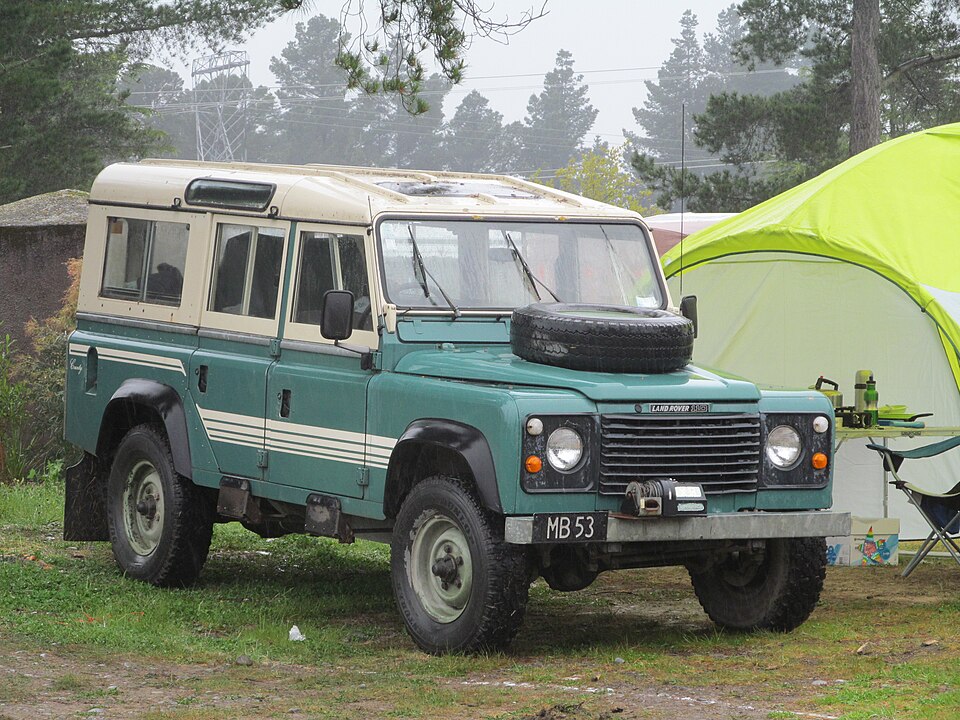
Image: 1985 Land Rover 110 County (39887330091), CC BY 2.0
Building on the legacy of the Jeep’s vital role in covert operations, modern adaptations continue to push the boundaries of stealth and versatility.
The RSOV, a military vehicle inspired by the Jeep concept, showcases this evolution. Developed from the Land Rover Defender Model 110, it meets stringent military requirements, especially in desert terrains. Its low-noise diesel engine and advanced weaponry options, like machine guns and grenade launchers, make it ideal for special forces.
The Air Force can easily airlift the RSOV via helicopters or transport aircraft, enhancing deployment flexibility.
With variants like the Medical Special Operations Vehicle (MEDSOV) and Mortar Special Operations Vehicle (MORTSOV), the RSOV is tailored for specific missions, including medical evacuation and mortar transport, ensuring readiness for diverse combat scenarios.
Legacy and Impact of the Jeep in Special Operations
Since its inception, the Jeep has left an indelible mark on special operations, becoming an icon of military versatility and resilience.
In World War II, it served as the backbone for the Office of Strategic Services (OSS), providing vital mobility for covert missions and reconnaissance due to its off-road prowess and compact design.
The USAAF’s strategic bombing campaigns significantly weakened Axis military and industrial capabilities, illustrating the crucial role of versatile military vehicles like the Jeep in supporting broader war efforts.
Post-war, the United States Army Rangers accepted this legacy, adopting the RSOV, Jeep’s successor, in 1992. This vehicle built on Jeep’s renowned adaptability, enabling diverse mission configurations, from medical support to communications.
Its stealth and low noise were significant in covert operations, reflecting the Jeep’s influence.
The Jeep’s impact continues to shape military vehicle development, ensuring future models prioritize mobility, durability, and multifunctional capabilities.