

The Battle of Leyte Gulf, the largest naval engagement of WWII, played an essential role in liberating the Philippines. You’d see how Allies, led by General MacArthur, brilliantly coordinated over 130,000 troops to land on Leyte unopposed. Their strategic prowess was unmatched as U.S. carrier forces neutralized Japanese planes. Japanese strategies faltered against determined American defenses, culminating in decisive battles from Sibuyan Sea to Surigao Strait. Dig deeper to uncover more about these significant maneuvers.
Strategic Context and Prelude to Battle
Although logistical challenges initially caused debate among Allied leaders, the decision to invade Leyte was essential. General Douglas MacArthur championed the Allied invasion, aiming for the liberation of the Philippines. Despite initial preferences for Formosa, Leyte’s strategic significance won.
The U.S. Seventh Fleet, comprising both U.S. Navy and Royal Australian Navy units, played a vital role, ensuring that over 130,000 U.S. troops landed successfully. Anticipating this, the Imperial Japanese Navy launched Operation Shō-Go 1, a desperate attempt to undermine the invasion. They sought to distract the Allies by using multiple forces to lure American aircraft carriers away.
The ensuing Battle of Leyte Gulf highlighted a shift in naval warfare, as aircraft carriers overshadowed battleships, ultimately weakening Japanese naval capabilities. During this time, the Army Air Forces provided crucial aerial support that helped secure the region and demonstrated the growing importance of air power in combined arms operations.
Preparations and Execution of the Leyte Invasion
As the Allies geared up for the Leyte invasion, they knew careful preparation was key to success. Over 130,000 U.S. troops landed unopposed on October 20, 1944. This critical step in General Douglas MacArthur’s plan was supported by extensive air strikes. U.S. carrier task forces had effectively neutralized Japanese forces, destroying about 800 aircraft before the landings.
The strategic choice to target Leyte over Formosa was influenced by the immediate availability of ground forces, aligning with MacArthur’s campaign to liberate the Philippines. The United States Army Air Forces (USAAF) played a vital role in the Allied victory in Europe, showcasing their strategic impact through coordinated air operations.
The Allied landings were bolstered by the Seventh Fleet, which included Royal Australian Navy units. Heavy naval bombardments softened Japanese defenses, paving the way for a successful invasion and further operations towards liberating the Philippines.
Japanese Naval Strategies and Early Confrontations
With the successful Allied landings on Leyte, attention turned to the Japanese response as they scrambled to counter the invasion.
Their naval strategy, Operation Shō, aimed to lure American forces away from Leyte by dividing their fleet into groups, including Kurita’s Center Force. Designed for surprise attacks, this plan faced coordination issues and miscommunication, hampering effectiveness.
Japanese naval power had dwindled, with only four operational carriers, severely limiting air support capabilities compared to the Allies’ 34 carriers. On October 23, American submarines detected Kurita’s Center Force, leading to early losses, including the sinking of the heavy cruiser Atago.
These challenges, compounded by miscommunication during engagements, hindered Japan’s ability to effectively counter the Allied invasion in the Philippines.
Key Engagements: Sibuyan Sea to Surigao Strait
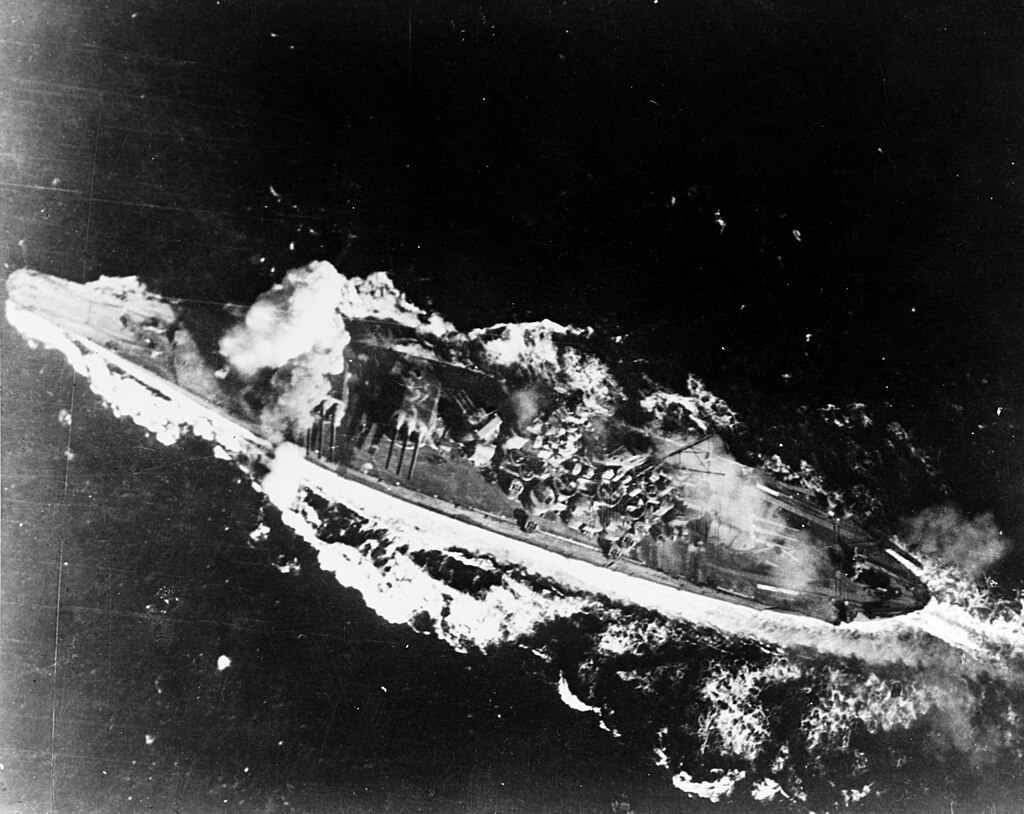
The significant naval clashes from the Sibuyan Sea to the Surigao Strait in late October 1944 showcased the might and strategy of the Allied forces against a faltering Japanese fleet.
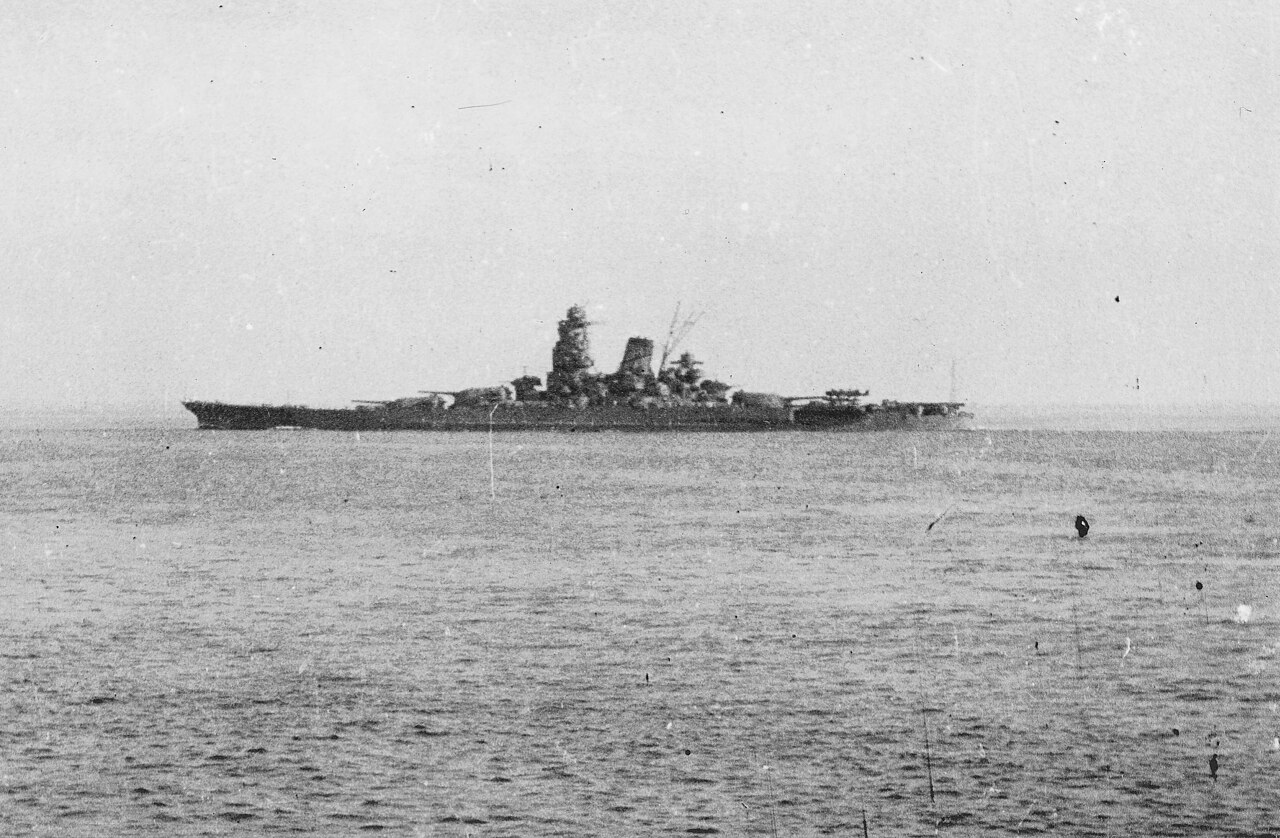
In the Sibuyan Sea, U.S. carrier airstrikes proved devastating, sinking the Japanese super battleship Musashi and weakening their naval might. U.S. submarines Darter and Dace effectively targeted the heavy cruiser Atago, further crippling the Japanese fleet’s capabilities.
The Battle of Surigao Strait featured the masterful “crossed T” maneuver, where American battleships released powerful broadsides on the Japanese Southern Force. The Japanese battleship Fusō was torpedoed by the USS Melvin, demonstrating U.S. destroyers’ prowess in night operations.
These engagements ended Japan’s ability to conduct effective naval operations.
The Battle off Samar and Halsey’s Decisions
Although the odds seemed insurmountable, the Battle off Samar highlighted the courage and tenacity of the U.S. naval forces.
As Admiral Kurita’s Primary Attack Force bore down on Taffy 3, a modest U.S. naval task force, they faced a dire situation due to Admiral Halsey’s decision to chase a decoy to the north.
Despite being outgunned, Taffy 3 mounted a fierce defense:
- Torpedo attack – Destroyers launched torpedoes, damaging Kumano and causing chaos in the Japanese fleet.
- Air support – Carrier planes inflicted essential damage on Japanese ships.
- Miscommunication – Halsey was unaware of Taffy 3’s plight, leading to delayed assistance.
- Naval engagement outcome – Despite losing ships, Taffy 3 forced Kurita’s withdrawal, marking a significant point in the battle.
Outcomes and Historical Impact
After the tides turned at the Battle of Leyte Gulf, the Pacific theater witnessed a dramatic shift in naval dominance.
The destruction of the Imperial Japanese Navy’s core, including three battleships and an aircraft carrier, crippled Japan’s naval power. This allowed the U.S. naval forces to solidify Allied control, facilitating the invasion of the Philippines and paving the way for General Douglas MacArthur’s return.
Despite the initial organized kamikaze attacks, Japan’s loss of over 1,321 aircraft failed to greatly impact Allied operations.
The battle underscored the superiority of aircraft carriers and marked the last major battleship-to-battleship engagement, cementing its historical impact as the largest naval battle ever and a turning point in World War II.