

World War II’s most successful torpedo bombers included the British Fairey Swordfish, Japanese Nakajima B5N “Kate,” and American Grumman TBF Avenger. While the Swordfish sank more enemy vessels than any Allied aircraft, the B5N proved devastating at Pearl Harbor, and the Avenger excelled at sinking Japanese warships, including the super-battleships Yamato and Musashi. You’ll uncover how these exceptional aircraft revolutionized naval warfare and changed the course of history.
Key Takeaways
- Fairey Swordfish sank more enemy vessels than any other Allied aircraft, including crippling the Bismarck and devastating Italy’s fleet at Taranto.
- Nakajima B5N “Kate” proved lethal at Pearl Harbor, sinking USS Arizona and later claiming HMS Repulse and USS Prince of Wales.
- Grumman TBF Avenger became America’s deadliest torpedo bomber, sinking Japanese super-battleships Yamato and Musashi in the Pacific Theater.
- Mitsubishi G4M “Betty” successfully destroyed 20 warships and 19 merchant vessels, totaling 320,000 tons of enemy shipping.
- SM.79 Sparviero achieved significant success in the Mediterranean, disrupting Allied shipping lanes with precise torpedo attacks.
The Rise of Naval Air Power in World War II
As naval warfare evolved dramatically during World War II, aircraft carriers and their torpedo bombers revolutionized combat at sea. You’ll find that naval air power became the dominant force in major battles, with torpedo squadrons playing an indispensable role in shifting the balance of power.
The transformation from early biplane designs like the Fairey Swordfish to more advanced aircraft showed how quickly naval aviation progressed. When Grumman Avengers were built, they represented a significant leap in torpedo bomber capabilities. This evolution proved decisive in historic battles like Midway and the Philippine Sea.
The devastating attacks at Taranto Harbor and Pearl Harbor demonstrated just how lethal torpedo bombers could be against anchored fleets. By war’s end, even mighty battleships like the Yamato and Musashi fell victim to coordinated torpedo bomber strikes, cementing the aircraft carrier’s supremacy in naval warfare. Retractable landing gear and other technological innovations transformed these aircraft from slow, vulnerable platforms into formidable weapons of war.

Fairey Swordfish: The Outdated Warrior That Changed History
Though the Fairey Swordfish appeared outdated even before World War II began, this unlikely hero would prove instrumental in some of the war’s most decisive naval battles. You’d never expect a biplane designed in the 1930s to outperform modern aircraft, yet the Swordfish sank more enemy vessels than any other Allied aircraft during the war.
The Swordfish’s most famous achievements came through its torpedo attacks on major warships. In the Taranto raid, it successfully sank two Italian battleships and damaged another, creating a blueprint that Japanese forces would later study for Pearl Harbor.
Perhaps its greatest triumph was crippling the German battleship Bismarck, leading to its eventual destruction. Despite being obsolete by 1937, this extraordinary aircraft demonstrated that even outdated weapons could change the course of history when used effectively.
The aircraft’s Bristol Pegasus engine provided reliable performance despite its modest speed, allowing crews to operate effectively in challenging weather conditions and rough seas.

Nakajima B5N Kate: Japan’s Pearl Harbor Champion
The Nakajima B5N Kate burst onto the world stage during Japan’s devastating attack on Pearl Harbor, where it proved itself as one of history’s most lethal torpedo bombers. You’ll find the Japanese aircraft’s most notable achievement in the sinking of the USS Arizona, where it triggered a catastrophic explosion that dealt a severe blow to America’s Pacific Fleet.
The Kate’s success wasn’t limited to Pearl Harbor. This successful torpedo bomber demonstrated its deadly effectiveness at the Battle of the Coral Sea, where it helped sink the USS Lexington. The aircraft’s exceptional performance continued with the sinking of HMS Repulse and USS Prince of Wales, showcasing its ability to strike heavily defended warships. Interestingly, before its Pearl Harbor triumph, the Kate served as a model for the British Taranto raid, which later inspired the Japanese attack. Its streamlined design features helped reduce air resistance, making it a formidable weapon in both speed and range.

The Deadly Precision of the Mitsubishi G4M Betty
While the Kate made history at Pearl Harbor, Japan’s Mitsubishi G4M “Betty” proved equally devastating in British waters. The naval aircraft’s most impactful achievement came when it sank both HMS Prince of Wales and HMS Repulse with precise torpedo attacks, providing a crushing blow to the Royal Navy.
The torpedo bomber, nicknamed “Hamaki” by its crews, demonstrated lethal accuracy while suffering minimal losses.
The G4M’s impressive combat record includes:
- Four torpedo hits each on Prince of Wales and Repulse
- Only three aircraft lost during this major operation
- Destruction of 320,000 tons of enemy shipping
- Successful strikes against 20 warships and 19 merchant vessels in the Mediterranean
Winston Churchill himself acknowledged the G4M’s impact, calling these sinkings “the most direct shock” of the war.
Despite its remarkable success, the aircraft’s emphasis on maximizing range and payload came at the cost of reduced armor protection and defensive capabilities.
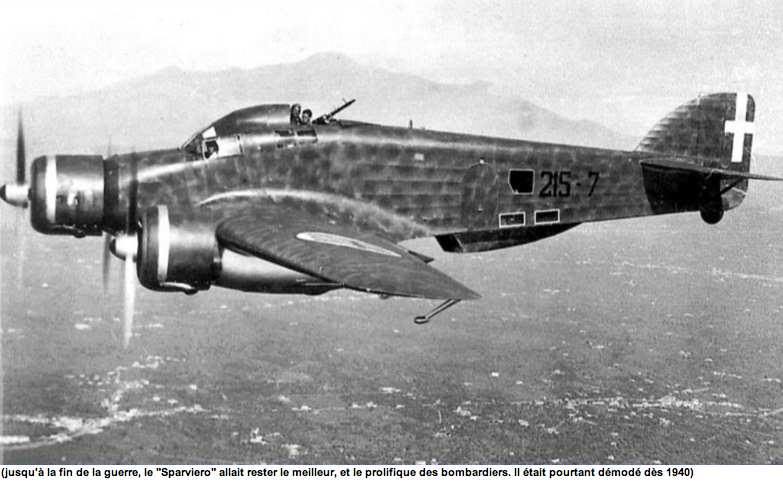
Italian Excellence: The SM.79 Sparviero’s Mediterranean Campaign
Despite being less famous than its German and British counterparts, Italy’s SM.79 Sparviero emerged as one of World War II’s most effective torpedo bombers. Affectionately nicknamed the “damned hunchback” by its crews, this new torpedo bomber wreaked havoc on Allied shipping in the Mediterranean from 1940 to 1943.
The Savoia Marchetti SM.79 Sparviero’s torpedo runs proved devastatingly effective, resulting in the destruction of 320,000 tons of enemy shipping. As a crucial component of the Italian fleet, it successfully engaged both merchant ships and warships, putting 19 commercial vessels out of action and sinking or damaging 20 military ships. You’ll find few aircraft that matched the Sparviero’s unparalleled record in the Mediterranean theater, where it established itself as one of Italy’s most successful military aircraft of the entire war.

Grumman TBF/TBM Avenger: America’s Ultimate Ship Killer
Emerging as America’s most lethal torpedo bomber, Grumman’s TBF/TBM Avenger cemented its legacy by sinking some of World War II’s largest warships, including the mighty Japanese super-battleships Yamato and Musashi.
The Avenger carried an Effective Torpedo system and worked alongside Curtiss SB2C plunge bombers during major naval engagements.
You’ll find this remarkable aircraft, which replaced the outdated TBD Devastator, was powered by a sturdy 1,900-horsepower Wright radial engine.
Key achievements of the Avenger include:
- Successful strikes from aircraft carrier USS decks in the Pacific Theater
- Versatile combat roles including reconnaissance and anti-submarine warfare
- Advanced wing-folding mechanism using the patented Sto-Wing system
- Impressive firepower with multiple machine gun positions and various bomb configurations
Critical Battles and Turning Points for Torpedo Bombers
Several decisive naval battles showcased torpedo bombers’ game-changing impact during World War II. You’ll find the Nakajima B5N “Kate” at the forefront of Japan’s early victories, dealing devastating blows at Pearl Harbor and later crippling the carrier USS Yorktown at the Battle of Midway.
The Mitsubishi G4M “Betty” proved equally lethal when it sank Britain’s glory – the HMS Prince of Wales and HMS Repulse – shifting the balance of power in the Pacific.
As the war progressed, the tables turned. The Grumman TBF/TBM Avenger emerged as the Pacific’s most formidable torpedo bomber, with Fleet Air crews claiming the war’s biggest prizes: the super-battleships Yamato and Musashi. These engagements demonstrated how torpedo bombers could dramatically alter the course of naval warfare.
Technical Innovations and Design Evolution
Throughout World War II, torpedo bomber design underwent exceptional alterations, with the Grumman Avenger leading the charge in technical innovation. You’ll find this aircraft fully loaded with advanced features that set new standards for naval aviation.
The Avenger’s most notable improvements included:
- A powerful Wright R-2600-20 engine providing 1,900 horsepower for impressive top speed and air superiority
- The revolutionary Sto-Wing folding mechanism that maximized carrier storage efficiency
- Multiple machine gun mounted positions, including .30 and .50-caliber Browning weapons for enhanced defense
- A versatile weapons bay capable of carrying the best torpedo of its time, the Mark 13, or various bomb configurations
These innovations made the Avenger incredibly adaptable, enabling it to excel in multiple roles from anti-submarine warfare to reconnaissance missions throughout and after the war.
Combat Tactics and Strategic Impact
Technical advancements in torpedo bombers paved the way for revolutionary combat tactics that changed the course of naval warfare. You’ll find that these aircraft proved decisive in major naval battles, with the Fairey Swordfish leading successful attacks against the Bismarck and Italian fleet, despite many Swordfish being shot down in combat.
Japanese aircraft like the B5N “Kate” and G4M “Betty” demonstrated their lethal effectiveness when they sank the Prince of Wales and devastated Pearl Harbor. The United States countered with the TBF Avenger, which excelled in Naval Aviation operations against Japanese submarine threats and capital ships.
Meanwhile, the Italian SM.79 Sparviero‘s success in the Mediterranean showed how torpedo bombers could effectively disrupt enemy shipping lanes and naval operations.
Legacy and Influence on Modern Naval Aviation
The Grumman TBF Avenger‘s exceptional combat record left an unforgettable mark on modern naval aviation. Unlike other plunge bombers of its era, the Avenger’s advanced capabilities revolutionized naval warfare and shaped future aircraft design.
Its successful role in sinking the mighty Yamato and Musashi proved that carrier-based aircraft could defeat even the largest battleships. The integration of radar systems for targeting and coordination set new standards for naval aircraft technology.
Its versatility in operating from smaller carriers influenced the design of future naval platforms. The three crew members configuration and adaptability for multiple missions established a template for post-war aircraft roles.
You’ll find the Avenger’s impact reflected in modern naval aviation’s emphasis on versatility, advanced electronics, and multi-role capabilities.