

During World War II, the US Air Force was actually known as the United States Army Air Forces (AAF). This reorganization occurred in 1941, just before the United States entered the war. The AAF experienced rapid growth, evolving from a modest component into a formidable force with millions of personnel and tens of thousands of aircraft. This transformation was pivotal in shaping the outcome of the war. Let’s delve into the key moments and decisions that defined the AAF’s significant role in the Allied victory.
Early Military Aviation
During the early stages of military aviation, the United States established the United States Army Air Forces (AAF) on June 20, 1941. This development marked a significant evolution in military aviation, setting the stage for a massive expansion. By the onset of World War II, the AAF had grown exponentially, from just 26,500 personnel and 2,200 aircraft in 1939 to over 2.4 million personnel and nearly 80,000 aircraft by 1944.
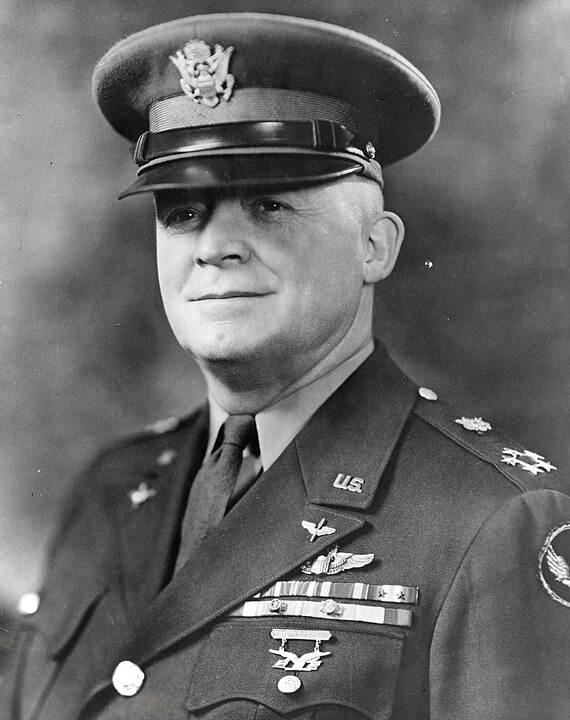
Under the command of General Henry H. Arnold, the AAF played a critical role in strategic bombing campaigns. By May 1945, the AAF had flown more than 600,000 sorties and dropped over 670,000 tons of bombs, significantly contributing to achieving air supremacy. This dominance in the skies was vital for supporting Allied operations across Europe, helping to turn the tide of the war in favor of the Allies.
The significance of the AAF’s contributions was recognized with the passage of the National Security Act of 1947, which resulted in its disbandment and the creation of the independent United States Air Force. This change marked a new era in military aviation, solidifying air power as a cornerstone of national defense.
World War I Contributions
The U.S. Army’s Air Service played a pivotal role during World War I, marking a crucial period in the evolution of military aviation. When the U.S. entered the war on April 6, 1917, the 1st Aero Squadron was the only established aviation unit, facing significant resource constraints. However, by the end of the war on November 11, 1918, the Air Service had expanded dramatically, underscoring its critical role in the conflict.
Key achievements of the Air Service included:
- Expansion to 740 aircraft and the execution of 150 bombing attacks.
- Successful downing of 756 enemy aircraft, demonstrating effective combat capabilities.
- Transition from the Signal Corps to the Air Service on May 20, 1918, which enhanced operational control and efficiency.
Beyond the numbers, the strategic development of the Air Service was notable. The formation of the I Corps Observation Group and the 1st Pursuit Wing in 1918 represented a more organized approach to aerial combat, enabling effective reconnaissance and combat missions. These changes laid the groundwork for future military aviation advancements, establishing the essential role of aerial warfare in modern conflicts.
Interwar Developments
During the interwar period, the significance of aviation established during World War I remained a priority for the U.S. military. The United States Army Air Corps, formed in 1926, became the official air service, emphasizing the importance of aerial warfare. Despite facing resistance from traditional military branches for recognition and autonomy, the Air Corps persisted in its mission.
The 1930s marked the establishment of the Air Corps Tactical School, which significantly influenced military aviation theory. This institution heavily promoted the concept of strategic bombing, a doctrine that later became pivotal in World War II air operations. While the Great Depression presented procurement challenges and financial constraints, the Air Corps successfully expanded and modernized its fleet, ensuring readiness for future conflicts.
World War II Expansion
World War II witnessed the rapid and unprecedented expansion of the United States Army Air Forces (AAF). Initially, the AAF had just 26,500 personnel and 2,200 aircraft. However, by 1944, it had grown to over 2.4 million personnel and nearly 80,000 aircraft. This massive expansion enabled the AAF to play a critical role in achieving air supremacy and supporting the liberation of occupied Europe.
Key achievements of the AAF include:
- Managing 783 domestic bases by December 1943
- Conducting over 600,000 sorties by May 1945
- Dropping over 670,000 tons of bombs during the war
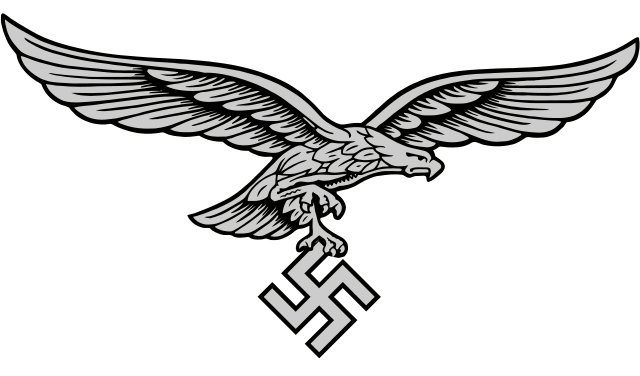
The AAF was instrumental in overpowering the German Luftwaffe, ensuring Allied dominance in the skies. By V-E Day, 1.25 million AAF personnel were stationed overseas, and strategic bombing campaigns had significantly weakened enemy infrastructure and morale. This scale of operation highlighted the importance of air power in modern warfare. The AAF’s rapid growth and relentless sorties were pivotal to the Allies’ victory, demonstrating the significant impact of their expansion.
Post-War Transition
Following the end of World War II, the United States faced the formidable task of transitioning its wartime aviation force to peacetime operations. The Army Air Forces (AAF) quickly demobilized, setting the stage for the future independent United States Air Force (USAF). The National Security Act of 1947, enacted on July 26, was pivotal in this transformation. It established the Department of the Air Force, formally creating the USAF as a separate military service, crucial for addressing the evolving needs of national defense.
On September 18, 1947, W. Stuart Symington became the first Secretary of the Air Force, marking a significant leadership shift in U.S. military aviation. That same day, the AAF was officially disbanded, ushering in a new era of military air power. This reorganization emphasized the importance of air power integration and operational autonomy, vital lessons from WWII. The creation of the USAF enabled a more focused and efficient approach to air strategy, ensuring the United States could respond more effectively to future threats. This post-war transition was a defining moment in the history of U.S. military aviation.