

Examining the key air battles of World War II reveals stories of strategic brilliance and devastating consequences. The Battle of Britain showcased the RAF’s resilience against the Luftwaffe, significantly altering the war’s trajectory. The Dieppe Raid, though primarily a ground operation, involved critical air cover and highlighted the costs of inadequate planning. The Battle of Kursk, primarily a land battle, also featured significant air engagements that shifted momentum on the Eastern Front. Big Week’s raids devastated German industry, crippling their war production capabilities. Lastly, the Air Battle Over Niš underscored the complexities of coordination in high-stakes combat. Each of these engagements offers unique insights into the pivotal moments that shaped the war’s outcome.
Battle of Britain
The Battle of Britain, fought from July to October 1940, was a critical moment in World War II where the Royal Air Force (RAF) successfully defended the UK against the German Luftwaffe’s attempt to gain air superiority. This significant air battle showcased the crucial role of air power in modern warfare. The German forces sought to dominate the skies to facilitate a potential invasion of Britain, but the RAF’s resilience thwarted these plans.
During the Battle of Britain, the RAF’s strategic use of radar technology and the exceptional performance of aircraft like the Supermarine Spitfire and Hawker Hurricane were vital. These planes outmaneuvered the Luftwaffe’s fighters in intense aerial combat, demonstrating the effectiveness of British engineering and tactics. The RAF’s ability to adapt and respond to the formidable German forces was a key factor in their success.
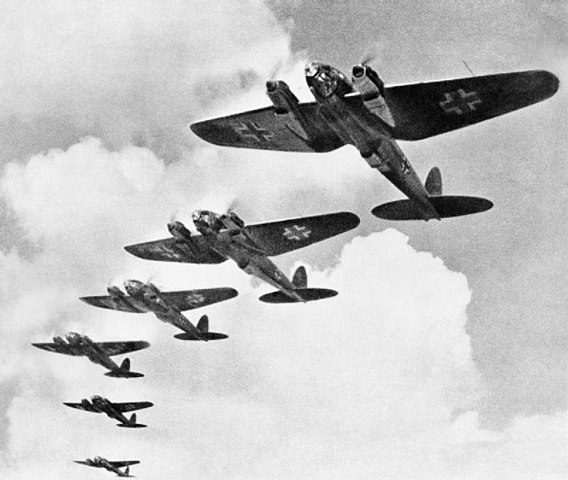
The RAF’s victory in this conflict demonstrated the essential role of air power and underscored the determination and skill of its pilots. By successfully defending against the Luftwaffe, the RAF not only protected Britain but also altered the course of World War II, preventing a German invasion and boosting Allied morale.
The Dieppe Raid
Following the RAF’s triumph in the Battle of Britain, Allied forces faced a starkly different challenge with the Dieppe Raid on August 19, 1942, where an attempted assault on the German-occupied port resulted in heavy losses and few gains. This operation aimed to test German defenses and gather intelligence but failed due to a lack of surprise and inadequate preparation.
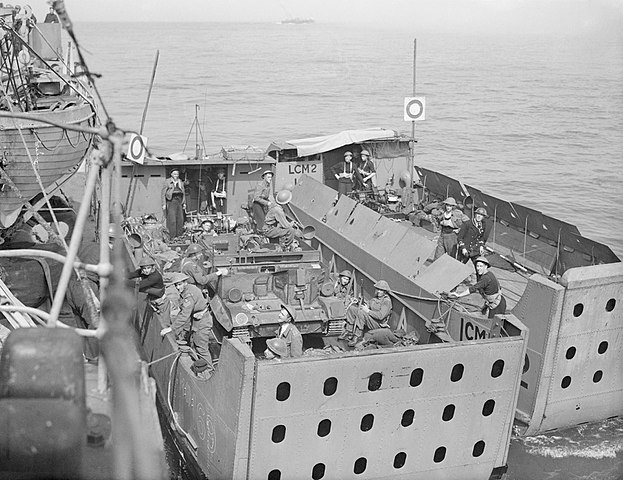
The RAF provided crucial air cover for the ground troops, yet struggled to gain air superiority against the well-prepared Luftwaffe. German forces, entrenched and alert, inflicted severe casualties on the Allied troops attempting to storm the beaches.
The Dieppe Raid ended disastrously, with nearly 60% of the attacking force killed, wounded, or captured. Despite the bravery displayed, the operation underscored the challenges of amphibious assaults and highlighted the necessity for better planning and coordination. The lessons learned from the Dieppe Raid were instrumental in shaping strategies for future operations, including the successful D-Day invasion. The RAF’s experience emphasized the importance of air superiority in modern warfare.
Battle of Kursk

In the summer of 1943, the Battle of Kursk emerged as the largest tank battle in history, decisively shifting the momentum on the Eastern Front in favor of the Soviets. This massive clash pitted the Soviet Union against Germany, with the Soviets holding a significant numerical advantage. The battle, which lasted from July 4 to August 23, marked a turning point in World War II.
The strategic significance of the Battle of Kursk cannot be overstated. Anticipating the German offensive, the Soviets fortified their positions and laid extensive minefields. When the German forces launched Operation Citadel, they encountered fierce resistance. The Soviets’ well-prepared defenses and superior numbers played a crucial role in halting the German advance.
The Battle of Kursk is considered decisive because it resulted in a crippling defeat for the Germans. Their failure to break through Soviet lines marked the last major offensive they would undertake on the Eastern Front. This battle highlighted the Soviet advantage in both strategy and resources, leading to sustained momentum that the Germans could never fully counter. Thus, the Battle of Kursk stands as one of the most significant and strategically critical engagements of World War II.
Big Week
During Big Week, from February 20 to 25, 1944, Allied Forces launched a series of strategic air raids aimed at crippling German industry and weakening the Luftwaffe. This marked a pivotal phase in the air war, as the Allies sought to achieve air supremacy in preparation for future operations. The offensive involved massive bombing missions carried out by the RAF Bomber Command and the USAAF, with B-17 Flying Fortresses playing a crucial role.
The primary objective was to target key industrial sites, including aircraft factories and ball-bearing plants, essential to the German war effort. By destroying these sites, the Allies aimed to diminish the German fighter force and disrupt their air defenses. The German industry was severely impacted, significantly weakening their military capabilities.
Big Week’s relentless air raids exerted immense pressure on the German fighter force, compelling them to engage in costly defensive battles. This not only reduced their numbers but also depleted their resources. The coordinated efforts of the Allied Forces during Big Week significantly eroded Germany’s ability to sustain an effective air war, paving the way for the successful land invasions that followed.
Air Battle Over Niš
While the Allies celebrated the successes of Big Week, another significant air battle unfolded over Niš on November 7, 1944, involving a tragic friendly fire incident between the United States and the Soviet Union. During the Belgrade Offensive, US P-38 Lightning fighters mistakenly attacked a Soviet convoy, resulting in the downing of aircraft and straining relations between the two Allied powers.
This incident over Niš highlighted the severe challenges of coordination and communication during intense World War II fighting. The air battle underscored the complexities and inherent risks of conducting aerial operations amidst the broader European conflict. It also served as a stark reminder of the potential for friendly fire incidents, stressing the need for precise coordination to prevent such occurrences in future operations.
| Aspect | Details |
|---|---|
| Date | November 7, 1944 |
| Involved Forces | United States, Soviet Union |
| Aircraft Involved | US P-38 Lightning fighters |
| Key Operation Context | Belgrade Offensive |
The Niš incident revealed that even among Allied powers, miscommunications could lead to devastating outcomes. Ensuring better coordination and communication between forces was essential to avoid such tragic mistakes. This event remains a poignant example of the unpredictable nature of aerial operations during World War II.
Conclusion
You’ve seen how pivotal air battles like the Battle of Britain and Big Week shaped World War II. From the RAF’s heroic defense to strategic raids crippling German industry, air power proved essential. The Dieppe Raid’s lessons and the coordination challenges in the Air Battle Over Niš also underscored the complexity of aerial warfare. Each conflict taught critical lessons and left a lasting mark on the war’s outcome, highlighting the decisive role of air battles.