

The effectiveness of anti-aircraft technology and tactics in World War II was significantly influenced by advancements in radar systems, proximity fuses, and the strategic use of searchlights and barrage balloons. These innovations enhanced the accuracy and range of defense systems and substantially disrupted enemy bombing missions. However, despite their groundbreaking nature, these technologies had limitations and faced various challenges. The integration of these systems had a notable impact on the outcomes of aerial engagements, providing valuable lessons for future military strategies.
Evolution of Anti-Aircraft Guns
The evolution of anti-aircraft guns during World War II marked a significant leap in military technology, enhancing accuracy, rate of fire, and range. The war necessitated rapid advancements to counter increasingly sophisticated aerial threats. Anti-aircraft guns were categorized into light, medium, and heavy types, each designed to target different kinds of enemy aircraft.
Accuracy became a focal point, and new technologies played a crucial role. For instance, radar allowed anti-aircraft gunners to detect incoming aircraft from greater distances, providing valuable extra seconds to prepare. However, detection was only part of the challenge; hitting the target was the ultimate goal. Fire control systems provided precise data to calculate firing solutions that accounted for the speed, altitude, and evasive maneuvers of enemy planes.
Anti-aircraft gunners had to master these complex systems to effectively defend key targets. Their training was rigorous, focusing on the intricacies of managing these advanced weapons. The result was a more formidable air defense strategy, capable of protecting vital installations and significantly contributing to the overall war effort. The evolved anti-aircraft guns played a pivotal role in shaping the conflict’s outcome during World War II.
Radar and Early Warning Systems
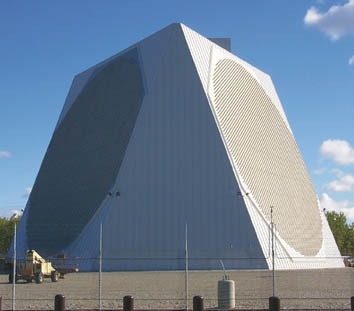
Radar technology significantly transformed air defense during World War II by providing early warnings of incoming enemy aircraft. This advancement enabled forces to prepare and deploy anti-aircraft defenses more effectively, profoundly impacting battle outcomes. By tracking and guiding anti-aircraft fire, radar systems enhanced accuracy and efficiency in defending against aerial threats.
Evolution of Radar Technology
Radar technology revolutionized wartime defense by providing early warnings of incoming enemy aircraft, enabling timely and coordinated responses. During World War II, this technological breakthrough gave defenders a critical edge. Early warning systems detected enemy planes long before they reached their targets, giving anti-aircraft units ample time to mobilize. Radar technology allowed for tracking the position, speed, and direction of hostile aircraft, enabling more effective deployment of defensive resources.
The introduction of radar-guided weapons marked a notable advancement, significantly increasing the accuracy of anti-aircraft guns. These systems made it easier to hit fast-moving targets by providing precise electronic data, eliminating the need to rely solely on visual spotting or sound-based predictions.
As radar technology evolved throughout the war, it became more sophisticated, reliable, and capable, covering greater distances and providing more detailed information. This evolution did not stop with World War II; the principles and technologies developed laid the groundwork for modern air defense systems. Radar technology remains a cornerstone of early threat detection and interception, proving its lasting impact on military strategy.
Impact on Battle Outcomes
Early warning systems revolutionized battle outcomes by providing defenders with crucial advance notice of incoming enemy aircraft. The implementation of early warning radar significantly enhanced air defense capabilities. These systems enabled defenders to detect and track enemy planes well before they could launch an attack, thereby increasing the effectiveness of anti-aircraft artillery. The integration of radar technology into air defense strategies allowed anti-aircraft units to better prepare and position themselves, drastically reducing the element of surprise.
Here’s a snapshot of how early warning radar impacted different aspects of battle outcomes:
| Aspect | Before Radar | After Radar |
|---|---|---|
| Detection Time | Limited, delayed | Early, precise |
| Response Time | Slow | Rapid |
| Anti-Aircraft Accuracy | Poor | Significantly improved |
The advent of early warning radar made anti-aircraft artillery much more accurate, enabling defenders to effectively counter enemy bombing raids and protect strategic targets as well as civilian areas. This technological advancement was a game-changer during World War II, allowing defenders to detect, track, and engage hostile aircraft with higher precision. Consequently, early warning systems played a crucial role in altering the course of air battles, providing defenders with the vital advantage needed to secure their airspace.
Proximity Fuses and Accuracy
Proximity fuses revolutionized anti-aircraft technology in World War II by significantly enhancing the accuracy of artillery shells. These fuses detonated when the shell neared a target, eliminating the need for a direct hit. This innovation greatly improved hit rates against enemy aircraft, making air defenses more reliable and effective.
Using proximity fuses in anti-aircraft artillery increased the likelihood of neutralizing enemy planes. Traditional shells required precise timing and aiming, a challenging task given the high speeds and altitudes of modern aircraft. Proximity fuses resolved this issue by triggering detonation based on proximity rather than direct impact, ensuring that even near-misses could inflict damage.
The deployment of proximity fuses substantially enhanced air defense effectiveness. These devices were crucial in countering enemy air attacks, providing a significant strategic advantage. The increased accuracy and reliability enabled better protection of critical assets and infrastructure. In the broader context of WWII, this technological advancement was pivotal in shaping air defense strategies and contributing to the success of military operations.
Searchlights and Barrage Balloons

During World War II, searchlights and barrage balloons were crucial components of nighttime air defense, enhancing both the detection and deterrence of enemy aircraft. Searchlights, with their powerful beams, illuminated the night sky, making it easier for anti-aircraft gunners to locate and target enemy planes. By sweeping the skies, these searchlights disrupted enemy bombing runs and improved the accuracy of anti-aircraft fire.
Barrage balloons were large, tethered balloons equipped with steel cables, creating physical obstacles that made it dangerous for enemy aircraft to fly at lower altitudes. Forced to fly higher to avoid entanglement, enemy bombers became more susceptible to anti-aircraft fire. This tactic added complexity to enemy operations, limiting their maneuverability and reducing the precision of their attacks.
Combining searchlights and barrage balloons into an integrated air defense strategy ensured better protection for key targets. Searchlights illuminated enemy aircraft, while barrage balloons created hazardous barriers. Together, these technologies complicated the enemy’s approach and enhanced the defenders’ targeting capabilities, playing vital roles in the broader air defense efforts during the war.
Impact on Naval Engagements
Advances in anti-aircraft technology during World War II significantly transformed naval engagements, enhancing ships’ resilience against enemy air attacks. Anti-aircraft guns became a crucial component on naval vessels, dramatically boosting their defensive capabilities. These guns, equipped with proximity fuses, improved accuracy and lethality, enabling ships to effectively counter aircraft and dive bombers.
Radar systems also played a vital role in naval engagements. By detecting incoming aircraft at greater distances, radar systems provided crews with essential time to prepare and coordinate their defense. This technological edge often meant the difference between repelling an air attack and suffering devastating damage.
In key naval battles across the Pacific and Atlantic theaters, anti-aircraft technology was indispensable. Aircraft carriers and battleships, prime targets for enemy air raids, relied heavily on their enhanced anti-aircraft defenses. The integration of radar systems and advanced anti-aircraft guns allowed for a more cohesive and effective response to aerial threats.
Tactics Against Enemy Air Raids
Allied forces countered enemy air raids using a multifaceted approach that included early-warning radar, anti-aircraft artillery, and coordinated fighter interceptions. When enemy bombers approached, radar systems provided early detection, enabling fighters to engage them before they reached critical targets. Strategically placed anti-aircraft guns around cities and military installations created a formidable barrier for enemy bombers.
Night fighters and searchlights played crucial roles in nighttime defenses. Searchlights illuminated enemy aircraft, making them easier targets for both fighters and anti-aircraft artillery. Effective coordination among these elements was essential in minimizing damage from enemy air raids.
Barrage balloons further disrupted enemy bombing runs. These large balloons, anchored with steel cables, forced enemy pilots to fly at higher altitudes, decreasing their bombing accuracy and increasing their exposure to anti-aircraft fire.
Here’s a table illustrating the emotional impact of these tactics:
| Tactic | Emotional Impact |
|---|---|
| Early-warning radar | Relief and anticipation |
| Anti-aircraft artillery | Fear and determination |
| Fighter interceptions | Hope and excitement |
| Searchlights | Anxiety and alertness |
| Barrage balloons | Frustration and desperation |
These combined tactics significantly hampered enemy air raids, showcasing Allied ingenuity and resilience.
Statistical Effectiveness
Anti-aircraft technology in World War II downed approximately 30% of enemy aircraft, underscoring its critical role in air defense. This statistical effectiveness highlights the pivotal contribution of anti-aircraft (AA) measures to the overall war effort. For example, during the Battle of Britain, Allied AA defenses were particularly effective, with German losses reaching up to 50% due to intense AA fire. This high attrition rate significantly impacted the Luftwaffe’s capabilities and bombing accuracy.
German Flak units, armed with the formidable 88mm guns, also demonstrated exceptional effectiveness. These units downed a considerable number of Allied aircraft, underscoring the efficiency of their anti-aircraft tactics. Furthermore, the strategic placement of AA batteries around key targets like cities and industrial centers played a crucial role in air defense, making it more difficult for enemy bombers to achieve their objectives without incurring severe losses.
Statistical analyses reveal that AA technology not only reduced enemy bombing accuracy but also disrupted their aerial operations. These analyses underscore the importance of anti-aircraft defenses in WWII, showing that they were integral to maintaining air superiority and protecting vital assets. The data clearly supports the effectiveness of AA technology during the war.
Technological Innovations
Building on the statistical success of anti-aircraft measures, technological innovations during World War II significantly enhanced their effectiveness and adaptability. One major breakthrough was the introduction of proximity fuzes, which detonated shells when they were near enemy aircraft, greatly increasing the chances of a hit. This advancement meant direct hits were no longer necessary, making anti-aircraft artillery far more lethal.
Guided missiles also made their debut with efforts like the German Wasserfall and the British Stooge. These missiles could be directed towards their targets, allowing for engagements at longer ranges and with greater precision than traditional artillery. Although still in their early stages, these guided missiles laid the groundwork for future advancements in air defense.
Another key innovation was the use of barrage balloons. These large balloons were tethered with steel cables, posing a physical threat to low-flying enemy aircraft. They forced enemy pilots to fly higher, making them more vulnerable to anti-aircraft fire. Barrage balloons, combined with smoke screens and decoy tactics, effectively disrupted enemy air attacks and protected essential assets. Together, these innovations created a more robust and versatile anti-aircraft defense system.
Lessons Learned
When examining the lessons learned from World War II, it’s essential to focus on the evolution of anti-aircraft strategies and the impact of technological advancements. Understanding the effective countermeasures that were employed provides critical insights into the adaptations and innovations that defined the period’s air defense success. These developments underscore the significant advancements in military technology and strategic thinking that were instrumental in transforming air defense operations.
Evolution of AA Strategies
World War II demonstrated that integrating radar systems with various anti-aircraft (AA) weapons significantly enhances air defense capabilities. This integration enabled better early warning and tracking of enemy aircraft, facilitating more effective countermeasures against aerial threats. The Allies’ ability to combine radar technology with multiple AA strategies improved the protection of critical assets and ensured a robust response to enemy air incursions.
Throughout the conflict, air defense units learned the importance of close coordination with ground forces, which maximized the effectiveness of AA systems. This ensured a rapid and organized defense against incoming attacks. The adaptability and innovation in these strategies set the foundation for modern air defense doctrines, highlighting the importance of flexibility and technological integration.
Key lessons learned include:
| Aspect | WWII Lessons |
|---|---|
| Radar Integration | Enhanced early warning and tracking |
| Diverse Weapon Systems | Augmented defense capabilities |
| Coordination | Improved threat response |
| Adaptability | Informed future doctrines |
| Technological Innovation | Continuous strategy improvement |
These lessons underscore the central role of technological advancements and strategic coordination in developing effective air defense systems, principles that remain relevant in contemporary military doctrines.
Technological Advancements Impact
Technological advancements in anti-aircraft systems during WWII provided pivotal lessons that significantly shaped modern air defense strategies. Radar systems, for instance, became crucial for the early detection of incoming aircraft, enabling more effective countermeasures. The development of advanced weapons systems, such as guided missiles, marked a significant leap in anti-aircraft technology and tactics. These innovations not only improved the accuracy and range of defenses but also influenced post-war military strategies.
Here are four key impacts of WWII’s anti-aircraft technological advancements:
- Radar Systems: The use of radar allowed for the early detection of enemy aircraft, drastically improving response times and defensive tactics.
- Guided Missiles: The introduction of guided missiles showcased the potential for precision strikes, thereby enhancing the effectiveness of anti-aircraft defenses.
- Automated Fire Systems: The development of automated fire control systems increased the accuracy and efficiency of anti-aircraft guns, minimizing human error.
- Legacy and Evolution: The lessons learned from WWII’s anti-aircraft technology and tactics laid the groundwork for modern air defense systems, influencing current strategies and innovations.
Effective Countermeasures Employed
Throughout World War II, effective countermeasures such as barrage balloons and smokescreens played a crucial role in disrupting enemy air attacks and safeguarding critical assets. These methods created both physical and visual obstacles, complicating enemy pilots’ efforts to locate and strike high-value targets. Specifically, barrage balloons forced enemy aircraft to fly at higher altitudes, rendering them more vulnerable to anti-aircraft fire.
Radar systems were instrumental in the early detection of incoming enemy aircraft, enabling timely coordination between ground-based defenses and fighter aircraft. This technological advancement significantly improved the response to air raids, providing defenders with ample time to prepare and engage.
The 90mm gun emerged as a potent anti-aircraft weapon, benefiting from wartime innovations. With enhanced accuracy and higher rates of fire, it proved to be a formidable tool against enemy bombers. Complementing the 90mm gun, the Bofors 40mm offered a reliable mid-range option, thereby strengthening the layered air defense strategy.
Conclusion
During World War II, anti-aircraft technology and tactics evolved significantly, greatly enhancing defense systems. Innovations such as advanced guns, radar, proximity fuses, and searchlights played crucial roles. These advancements not only downed about 30% of enemy aircraft but also disrupted bombing runs, safeguarding critical assets. The lessons learned from these developments laid the groundwork for future air defense strategies, demonstrating that technological innovation and rigorous training can be decisive in warfare.