

Imagine you’re tasked with overseeing the supply lines for airplanes during World War II. You’d face numerous challenges, from ensuring parts compatibility to maintaining operational ports under constant threat. Standardization would be your linchpin, streamlining production and repair processes. Efficient port operations and strategic contracts would secure a steady flow of materials, while collaborative efforts like the Red Ball Express would ensure everything kept moving. But how exactly did these elements come together to secure Allied air superiority? Let’s investigate the intricate web of logistics that made it all possible.
Logistics Challenges
During World War II, the Douglas Aircraft Company’s inefficiencies and lack of standardization posed significant logistics challenges for the Allied forces. These inefficiencies directly impacted the ability to maintain a steady flow of airplanes to the front lines. Disorganized workflows and inconsistent manufacturing practices often slowed aircraft production, creating bottlenecks in the supply lines. This delayed the delivery of essential equipment and hampered the overall war effort.
The complexity of managing these supply lines increased with every production delay or inconsistency. The lack of standardization meant that parts and components were not always interchangeable, complicating the assembly and maintenance of aircraft.
Robust and reliable supply lines were crucial to support the massive scale of wartime operations. However, the inefficiencies in aircraft production made it a constant struggle to meet the demands of the front lines. These challenges underscored the critical need for standardization, which was later addressed by a joint American-British committee to streamline and improve supply chain management processes.
Standardization Efforts
Standardization Efforts During World War II
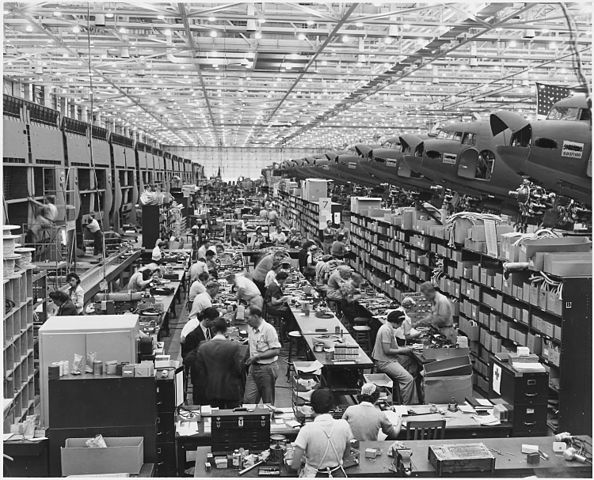
The collaborative American-British committee’s standardization efforts were pivotal in streamlining aircraft production and ensuring parts compatibility during World War II. This partnership was crucial in addressing the production challenges faced by manufacturers, such as the Douglas Aircraft Company. By establishing uniform standards, the committee ensured that parts could be interchanged between different aircraft models, reducing downtime and significantly improving operational efficiency.
These standardization initiatives also extended to international cooperation. For example, the United States shared its standardization protocols with the Soviet Union to support the Lend-Lease Program. This alignment was vital for the Army Air Corps to maintain a steady flow of aircraft and parts across various theaters of war.
Here is a concise overview of the key aspects of these standardization efforts:
| Aspect | Description | Impact |
|---|---|---|
| Joint Committee | American-British group setting standards | Ensured parts compatibility |
| Douglas Aircraft Co. | Initially faced production challenges | Enhanced manufacturing efficiency |
| International Efforts | Coordination with the Soviet Union | Supported Lend-Lease Program |
| Military Branch | Army Air Corps benefited from standardized parts | Improved logistics and aircraft maintenance |
These standardization efforts laid the groundwork for modern logistics systems, such as those managed by the Defense Logistics Agency (DLA).
Capacity and Efficiency
Building on the success of standardization efforts, let’s examine how capacity and efficiency were optimized in aircraft production during World War II. To outpace the Axis powers, the Allies had to increase production and streamline supply lines. A key player in this endeavor was the Army-Navy Munitions Board, which coordinated with industry partners to minimize production problems.
By implementing effective logistics practices, the Allies were able to achieve high efficiency and capacity in airplane manufacturing. Here’s how they did it:
- Industrial Mobilization Plan (1931): This plan laid the groundwork for efficient aircraft production by anticipating potential supply chain disruptions.
- Work Simplification Program: Introduced during the war, this initiative saved manpower and enhanced efficiency in manufacturing processes.
- Standardized Production: Joint American-British committees established standardized parts and procedures, reducing complexity and errors.
- Strategic Contracts: Well-crafted contracts with industry partners ensured a steady flow of required materials and components.
These measures not only strengthened the Air Force’s capabilities but also ensured logistical challenges were swiftly addressed, allowing the Allies to maintain a steady supply of aircraft throughout the war.
Port Operations
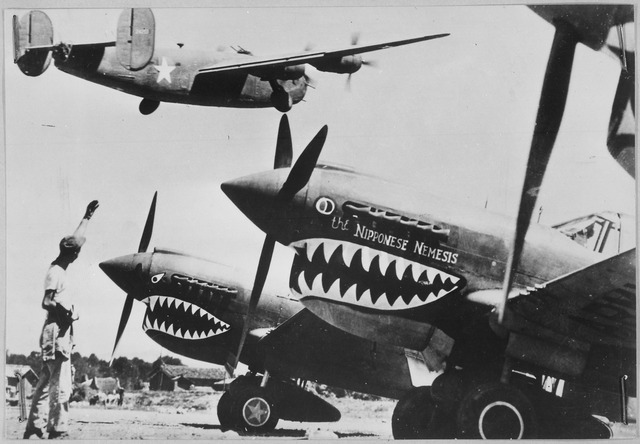
Efficient port operations were crucial for maintaining the airplane supply lines that kept the Allied forces airborne and combat-ready during World War II. When the 16th Port was activated in 1943, its mission was to repair and operate ports across Europe, directly influencing Allied success. Engineers and sea salvage experts collaborated with British counterparts to rehabilitate and operate critical harbors, ensuring continuous airplane supply lines.
In southern France, the Corps of Engineers played a vital role in restoring ports to operational status after significant damage. This effort was particularly important given the supply challenges previously faced in North Africa. Effective port management enabled a steady flow of aircraft, parts, and equipment necessary for sustained military campaigns.
Admiral Ernest’s naval operations were integral to these efforts. His leadership ensured the coordination and protection of supply convoys, enhancing the effectiveness of port operations. By maintaining and repairing these essential hubs, the Allied forces could ensure their planes were always ready for action. Thus, efficient port operations were a cornerstone in the broader strategy that led to eventual victory.
Collaborative Successes
Recognizing the importance of efficient port operations, collaborative efforts among diverse units, including African American troops, were crucial in maintaining the steady flow of supplies and ammunition for airplanes during World War II. These efforts ensured a well-oiled supply chain, essential for the success of aircraft production and operations.
One notable example was the Red Ball Express, a vital supply route that kept necessary supplies flowing to the front lines. General Patton acknowledged the significant contributions of Black truck drivers in optimizing supply operations for aircraft. The success of these efforts went beyond mere logistics; it was about achieving precision and efficiency.
Here’s an overview of these collaborative successes:
- Port unloading: African American units managed the unloading of large quantities of supplies, ensuring quick turnaround times.
- Ammunition handling: Streamlined processes kept aircraft well-stocked with the necessary munitions for sustained operations.
- Supply convoys: The Red Ball Express operated continuously, maintaining an uninterrupted supply line.
- Troop disembarkation: Efficient troop movements ensured personnel were deployed where they were needed most.
These collaborative efforts were replicated across northern France, creating an efficient supply chain that was crucial for the Allies’ air superiority.
Conclusion
Supply lines for airplanes in World War II were effectively managed through standardization, capacity planning, efficient port operations, and collaborative efforts. By establishing compatible standards, anticipating disruptions, and ensuring smooth port activities, the Allies maintained a steady flow of aircraft and equipment. Collaborative initiatives, such as the Red Ball Express, further improved efficiency. These combined efforts were crucial in securing air superiority and ultimately contributed to the Allies’ success.