

Exploring the types of bombs carried by World War II planes reveals a critical aspect of wartime strategy. General purpose bombs were designed for maximum damage, while incendiary bombs aimed to ignite destructive fires. The evolution of guided bombs marked a significant advancement in precision targeting. Each type of bomb played a distinct role in shaping military tactics and the outcomes of various campaigns. Understanding these diverse munitions provides insight into the tactical decisions and innovations that influenced the course of the war.
General Purpose Bombs
During World War II, aircraft were equipped with versatile General Purpose (GP) bombs such as the M30 100lb and M43 500lb for various missions. These bombs were designed for flexibility, making them suitable for a broad range of targets. They came in different sizes: M31 300lb, M44 1000lb, and M34 2000lb, each tailored to specific strategic needs. This adaptability made GP bombs some of the most commonly used ordnance during the war.
Initially, before takeoff, quarter-second delay tail fuses were inserted into the bombs. This was crucial because, in 1942, 30% of bombs failed to detonate due to issues with their arming mechanisms. The introduction of new GP bombs in 1943, such as the M57 250lb, M64 500lb, M65 1000lb, and M66 2000lb, addressed these problems with improved arming mechanisms. Each of these new bombs was recommended based on the target size, ensuring maximum effectiveness.
The evolution of General Purpose bombs extended beyond sizes and arming mechanisms; their application became more refined. They played a vital role in strategic bombing campaigns, proving their value in diverse missions. This ensured that every sortie could be as efficient and precise as possible.
Incendiary Bombs

While General Purpose bombs were versatile and widely used, incendiary bombs brought a different kind of devastation by igniting massive fires across enemy targets. Examples include the British 250lb and 500lb models, and the American M50A1 41lb magnesium bombs, designed to spread burning materials over large areas upon detonation. Their primary objective was to create widespread fires, causing extensive damage and disruption to enemy infrastructure and operations.
The US 8th Air Force frequently deployed the M17 cluster, which combined explosive and incendiary bombs to maximize impact. These clusters effectively dispersed multiple incendiary devices over a target area, increasing the likelihood of igniting fires. Accurate dispersion was critical, leading to the use of time lag tables to synchronize releases for optimal effect.
Despite their effectiveness, incendiary bombs posed challenges in control and dispersion, requiring precise tactics from pilots. Dropping them in the correct locations and at the appropriate moments was key to their success. When used effectively, incendiary bombs could devastate enemy cities, factories, and supply lines, significantly impeding their war efforts. Thus, while requiring careful handling, their impact on World War II was undeniably profound.
Fragmentation Bombs
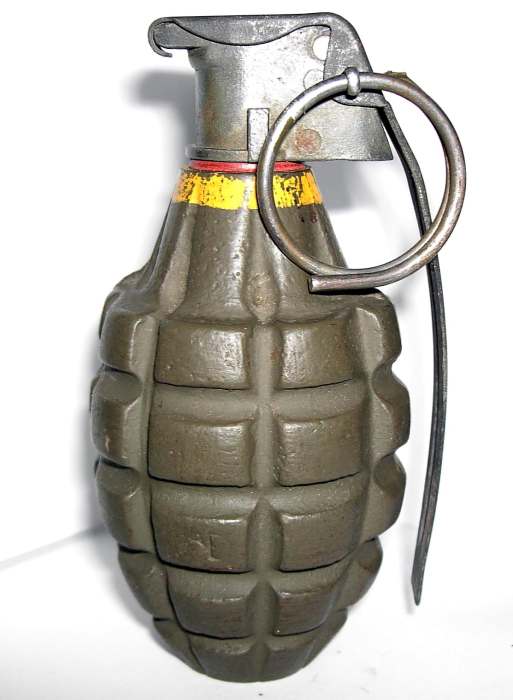
Fragmentation bombs, such as the 20lb M41s, played a crucial role in targeting enemy personnel and equipment during World War II. Designed to explode into small, high-velocity metal fragments upon detonation, these bombs maximized their destructive potential. They were often deployed in clusters within larger bombs, like the 120lb and 500lb configurations, to increase the spread of devastation.
The Avro Lancaster, a mainstay of Bomber Command, frequently carried these fragmentation bombs to disrupt enemy troops, vehicles, and infrastructure. Pilots used the Norden bombsight and special computation tables to determine the maximum trail angle for accurate bombing. This precision was vital to ensure the bombs hit their intended targets, causing maximum disruption.
Imagine being in one of these planes, knowing that your mission could turn the tide of the war. Consider the immense responsibility:
- The lives of your fellow soldiers depended on your accuracy.
- Every successful drop could mean fewer enemy forces on the battlefield.
- The destruction of enemy equipment meant a direct hit to their war capabilities.
The use of fragmentation bombs was an integral part of Allied strategies, making them essential tools in the quest for victory.
Napalm Bombs
In 1944, amid the arsenal of bombs used during World War II, napalm bombs emerged as a new and devastating weapon. Known as Class-C Fire Bombs, these devices contained a thickened gasoline mixture designed to release intense fires. Primarily deployed by B-17 bombers, each napalm bomb held an impressive capacity of 108 US gallons.
Napalm bombs were used on select missions due to their highly destructive incendiary nature. Their primary purpose was to create widespread and intense fires capable of decimating enemy targets and causing chaos. The flames ignited by these bombs were nearly impossible to extinguish, instilling sheer terror.
The introduction of napalm bombs marked a significant evolution in aerial warfare during World War II, aimed at inflicting maximum damage on enemy forces and infrastructure. While not as commonly used as other types, their impact was undeniably profound. Thus, when considering the arsenal of World War II planes, the fierce power of the napalm bomb should not be underestimated.
Guided Bombs

Guided bombs revolutionized World War II aerial warfare by integrating advanced guidance systems, enabling unprecedented accuracy in hitting targets. These weapons, primarily developed by the United States, fundamentally altered the execution of aerial attacks. By allowing aircraft to release bombs that could autonomously navigate towards specific targets, the efficiency and effectiveness of bombing missions were significantly enhanced.
The United States spearheaded the development of these advanced munitions, recognizing their potential to reshape the battlefield. Guided bombs weren’t solely about inflicting damage; they prioritized strategic precision. This innovation meant fewer bombs could achieve the same, if not greater, impact on enemy positions, reducing collateral damage and resource expenditure.
Key advancements brought by guided bombs included:
- Pinpoint Accuracy: Each bomb could reliably hit its intended target, minimizing collateral damage and maximizing strategic effectiveness.
- Enhanced Confidence: Pilots and ground forces could trust in the technology to accurately strike critical enemy infrastructure, reducing waste.
- Tactical Superiority: The precision capability shifted power dynamics, giving the United States a substantial advantage by enabling the destruction of key assets with minimal effort.
Guided bombs were a transformative development in World War II, marking a significant leap in military technology and strategy.
Poison Gas Bombs
During World War II, Britain and the US developed and stockpiled poison gas bombs like the 400lb Flying Cow mustard gas bomb and the 500lb phosgene bomb as a strategic deterrent. While these deadly weapons were part of their arsenals, they were rarely used in combat. The US 8th Air Force, for instance, maintained these poison gas bombs throughout the war, ready to deploy them if necessary.
The very existence of such bombs created tension and underscored the grim realities of warfare. Mustard gas and phosgene bombs could cause severe injuries and fatalities, disrupting enemy operations and inflicting psychological terror. The Air Force understood that using these bombs could have catastrophic consequences, so they primarily served as a threat rather than an active weapon.
Although these bombs weren’t extensively used during the war, their presence highlighted the extreme measures nations were willing to consider to achieve victory and maintain strategic advantage. The development and stockpiling of poison gas bombs were a testament to the severe and often desperate tactics employed during the conflict.
Cluster Bombs
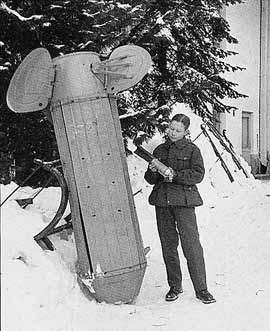
During World War II, cluster bombs caused widespread devastation due to their multiple bomblets designed to cover extensive areas. Bomber aircraft utilized these weapons to maximize damage over broad zones. Each cluster bomb contained numerous smaller explosives, or submunitions, within a single casing, which dispersed over a wide target area when dropped.
These bombs were highly effective against personnel, vehicles, and infrastructure. Bomber aircraft often deployed them to cripple enemy troops and disrupt supply lines. The Norden bombsight played a crucial role in ensuring precise targeting, making these drops even more devastating.
The harrowing impacts of cluster bombs during World War II included:
- Widespread Casualties: One cluster bomb could cause injuries and fatalities over large swathes of land, affecting both soldiers and civilians.
- Destruction of Infrastructure: Bridges, roads, and buildings were often obliterated, crippling enemy logistics and communication.
- Long-lasting Danger: Unexploded bomblets could remain lethal for years, posing threats long after the initial attack.
Cluster bombs were a powerful tool in the arsenal of World War II bomber aircraft, leaving a lasting legacy of destruction and danger.
Depth Charges
During World War II, depth charges were crucial anti-submarine weapons employed by aircraft to target and destroy enemy submarines lurking underwater. These cylindrical bombs were designed to sink or damage submarines by exploding underwater, playing a key role in anti-submarine warfare, particularly in the Battle of the Atlantic where Allied forces targeted German U-boats.
Depth charges typically weighed between 300 to 600 pounds and were deployed from various aircraft, including the F4F Wildcat and TBF Avenger. Once released, these charges would sink to a predetermined depth before detonating, creating a powerful underwater shockwave capable of compromising a submarine’s hull integrity.
Deploying depth charges required precise coordination and timing, as pilots had to anticipate the submarine’s movements and depth to ensure effective detonation. The use of depth charges by aircraft significantly enhanced the Allies’ ability to combat the underwater threat posed by enemy submarines, contributing to overall success in the Atlantic theater.
Bomb Arming Mechanisms
Advancements in bomb arming mechanisms during World War II significantly enhanced both safety and effectiveness in aerial bombing campaigns. By 1942, the introduction of quarter-second delay tail fuses greatly improved detonation accuracy, ensuring bombs exploded at the optimal moment for maximum impact. These fuses were installed just before takeoff, reducing the risk of accidental detonations on the ground—a critical safety improvement given the hazardous nature of these munitions.
In response to reports that 30% of bombs failed to explode in 1942, standard operating procedures (SOPs) were revised to enhance safety and reliability. These changes led to safer handling and more dependable detonation. The introduction of General Purpose (GP) bombs in 1943, available in various sizes such as the M57 250lb, M65 1000lb, and M66 2000lb, highlighted the importance of adapting bomb arming mechanisms to meet diverse mission requirements.
The emotional impact of these advancements was profound:
- Increased Crew Safety: Reduced risk of accidental detonation provided peace of mind.
- Enhanced Mission Success: Improved detonation accuracy ensured mission objectives were met.
- Boosted Morale: Reliability and effectiveness of equipment increased confidence among crew members.
These improvements in bomb arming mechanisms were vital in maximizing the effectiveness of World War II bombing campaigns.
Bombing Strategy and Technology
Building on advancements in bomb arming mechanisms, World War II saw increasingly sophisticated bombing strategies and technologies to meet diverse military objectives. Aircraft were equipped with bomb bays designed to carry various bomb types, providing flexibility in mission planning. Wind speed played a crucial role in determining bomb release points to ensure accuracy and effectiveness.
Bomber crews had to consider multiple factors such as altitude, wind speed, and target type. The development of advanced bomb aiming devices and the integration of radar technology allowed for more precise targeting, even in adverse weather conditions or during nighttime operations. The introduction of guided bombs marked a significant technological leap, enabling pinpoint strikes on strategic targets and reducing the need for large-scale carpet bombing.
Here is a summary of key aspects of World War II bombing strategy and technology:
| Aspect | Description |
|---|---|
| Bomb Bay | Internal compartments for carrying various bomb types |
| Wind Speed Consideration | Essential for calculating accurate bomb release points |
| Bomb Aiming Devices | Enhanced accuracy for hitting specific targets |
| Radar Integration | Enabled precise targeting in low visibility conditions |
| Guided Bombs | Enabled precise strikes on strategic targets, minimizing collateral damage |
These advancements revolutionized air warfare, making bombing campaigns more effective and strategically impactful.
Conclusion
During World War II, planes carried various bombs, each serving a specific purpose in the conflict. These included general-purpose bombs, incendiary bombs, fragmentation bombs, napalm bombs, guided bombs, cluster bombs, and depth charges. Advanced bomb arming mechanisms enhanced their effectiveness. Understanding the strategic deployment of these bombs reveals their significant impact on the war’s outcome. Their use was pivotal in shaping the course of history during this tumultuous period.